

What Makes a Wound 'Non-Healing'? A Coventry Specialist Explains
Understanding Non-Healing Wounds: Insights from a Coventry Specialist
Welcome to Coventry Foot Doctor, your trusted podiatry clinic in Coventry. Understanding why some wounds fail to heal is crucial for effective treatment. Non-healing wounds, especially in the lower extremities, can lead to severe complications, including infections and amputations. In this article, we will explore the definition of non-healing wounds, their causes, and potential treatments to help you regain your mobility and comfort.
What is a Non-Healing Wound?
A non-healing wound is defined as a wound that does not show signs of healing after four weeks. These wounds may be chronic and persistently prolonged in their healing process, posing significant challenges to patients and clinicians alike.
What Causes Non-Healing Wounds?
Several factors contribute to the development of non-healing wounds. Understanding these can aid in prevention and treatment:
- Diabetes: Diabetic foot ulcers are common in individuals with diabetes due to compromised blood flow and nerve damage.
- Poor Circulation: Conditions like peripheral artery disease can restrict blood flow, hindering wound healing.
- Infection: Bacterial infections can complicate wounds, preventing healing by causing further tissue damage.
- Pressure Ulcers: Prolonged pressure on certain areas of the foot can lead to tissue breakdown.
- Nutrition: Deficiencies in essential nutrients, particularly protein and vitamins, can impede the healing process.
- Age: Older adults may experience slower healing rates due to various health conditions and reduced skin elasticity.
What Are the Different Types of Non-Healing Wounds?
Non-healing wounds can be categorized based on their origins and characteristics:
- Venous Ulcers: Often found on the lower legs, these wounds are caused by poor venous return.
- Arterial Ulcers: Resulting from inadequate blood flow, these typically appear on the feet and lower legs.
- Diabetic Foot Ulcers: Chronic sores that develop due to the combination of neuropathy and ischemia.
- Pressure Sores: Also known as bedsores, these develop when pressure on the skin cuts off blood supply.
How Can I Treat Non-Healing Wounds?
Effective treatment of non-healing wounds requires a comprehensive approach tailored to individual patient needs. Common treatment modalities include:
- Debridement: This involves the removal of necrotic tissue to facilitate healing.
- Moist Wound Healing: Using advanced dressings to maintain a moist wound environment promotes cell regeneration.
- Antibiotic Therapy: Topical or systemic antibiotics may be necessary to manage infections.
- Improved Nutrition: Consult a dietitian for personalized dietary recommendations to boost healing.
- Managing Comorbidities: Control of underlying conditions such as diabetes or vascular issues is essential for healing.
- Advanced Therapies: Techniques like hyperbaric oxygen therapy or skin grafting may be beneficial in difficult cases.
How Can I Prevent Non-Healing Wounds?
Prevention strategies can significantly reduce the risk of developing non-healing wounds:
- Regular Foot Inspections: Check your feet daily for cuts, blisters, or signs of infection.
- Proper Footwear: Ensure shoes fit correctly and provide adequate support to reduce pressure points.
- Control Blood Sugar: If diabetic, maintaining optimal blood sugar levels can prevent complications.
- Stay Active: Regular exercise enhances circulation and promotes overall foot health.
- Consult with a Podiatrist: Regular visits for foot assessments can preemptively address concerns.
FAQs About Non-Healing Wounds
1. How long does it take for a wound to heal normally?
Generally, a healthy wound should start showing signs of healing within one to two weeks. If a wound does not improve after four weeks, it is considered non-healing.
2. Are non-healing wounds dangerous?
Yes, non-healing wounds can lead to severe complications, such as infections, gangrene, and even amputations if not treated promptly.
3. Can I treat a non-healing wound at home?
While some initial care can be done at home, seeking professional medical advice is crucial for proper management and treatment.
4. How can I improve my wound healing rate?
Improving wound healing can involve proper nutrition, controlling blood sugar levels, maintaining cleanliness, and following your healthcare provider's recommendations.
5. When should I see a podiatrist for a wound?
If a wound is not healing or shows signs of infection (redness, swelling, increased pain), consulting a podiatrist is strongly advised.
Conclusion
Understanding non-healing wounds is vital for anyone experiencing persistent foot issues. At Coventry Foot Doctor, located in Coventry, our team of specialists is dedicated to providing personalized care for various foot conditions. If you are dealing with a non-healing wound or looking for expert advice, we encourage you to book an appointment with us today. Together, we can work towards restoring your foot health and quality of life.

Ask Abid And His Team
Fill in the form to request a Call From Our Team
One of our team will call you for FREE and answer any questions or concerns you may have about your uncomfortable Foot Pain

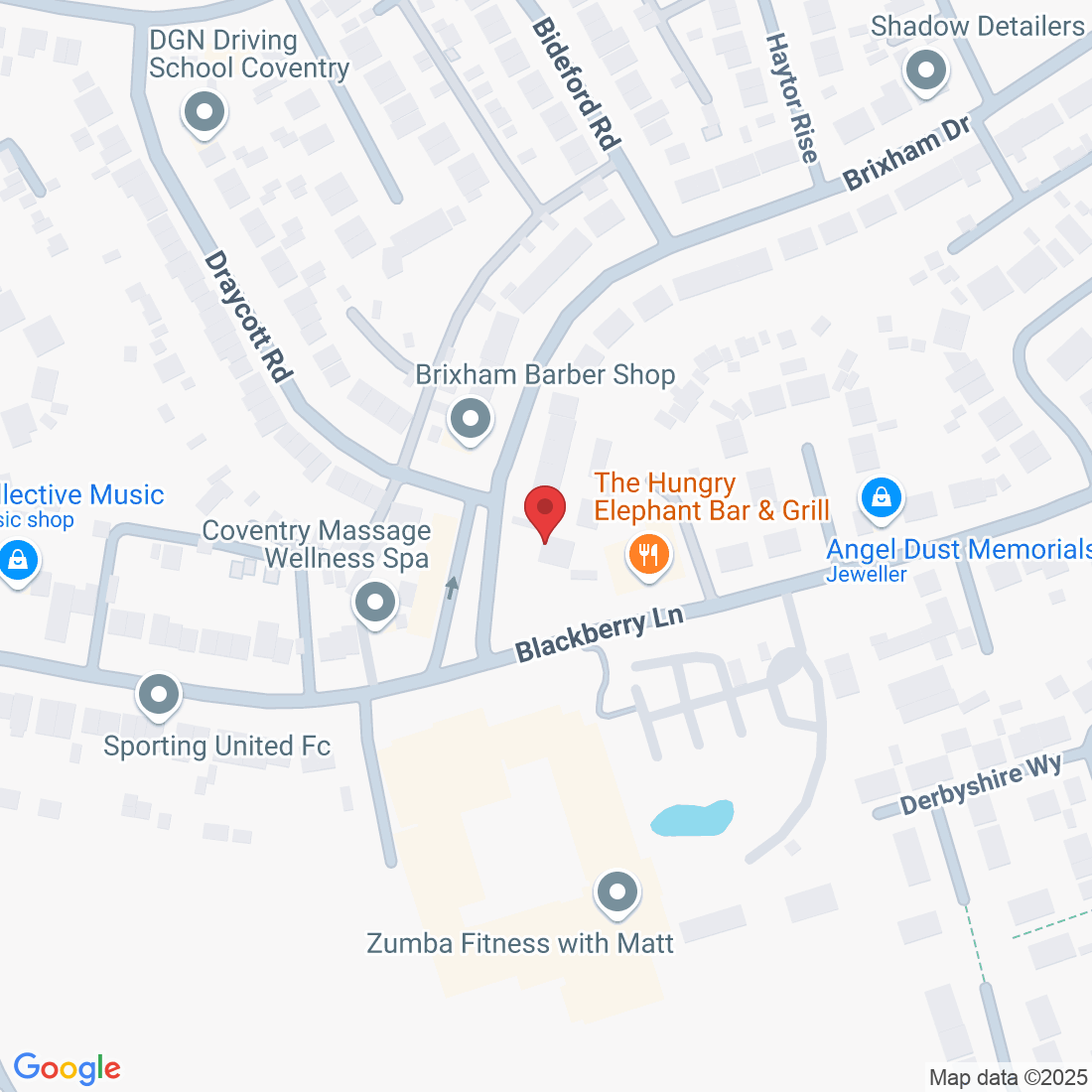
Where To Find Coventry Foot Doctor
Just minutes from University Hospital Coventry, easily accessed from M6, M1 and M69.
Biomechanix. Wyken Medical Centre, Brixham Drive, Coventry, West Midlands CV2 3LB
9am - 5pm Monday to Friday
Free Parking - 12 Spaces Available



Legal
How to get in touch
© Copyright 2022. Biomechanix Clinic Ltd. All rights reserved.