![Podiatry Website Template [Live Version]](https://assets.cdn.filesafe.space/2WNJMBa8yYScJ9HIsahq/media/63c5419f70248d043aa34dc8.png)

Corns vs Calluses: What’s the Difference and Why It Matters
Corns vs Calluses: What’s the Difference and Why It Matters
Welcome to Coventry Foot Doctor, your trusted podiatry clinic in Coventry. Today, we are diving into a common topic that affects many patients: the difference between corns and calluses. Understanding these two conditions is essential, not only for effective treatment but also for preventative care.
What Are Corns and Calluses?
Corns and calluses are both thickened areas of skin that develop in response to pressure or friction, but they have distinct characteristics and require different approaches for management and treatment.
Corns
Corns are small, round areas of thickened skin that typically appear on the tops or sides of toes. They often have a hard center, which can be quite painful when pressed. Corns occur due to repeated pressure or irritation, frequently caused by ill-fitting shoes or abnormal foot mechanics.
Calluses
Calluses, on the other hand, are larger areas of thickened skin and usually develop on the soles of the feet or palms. They form along weight-bearing areas and are more diffuse than corns. Calluses are generally less painful than corns but can still be uncomfortable, especially if they become too thick.
What Causes Corns and Calluses?
Understanding the underlying causes can help in both prevention and treatment.
- Corns are typically caused by:
- High heel or poorly fitting shoes that compress the toes.
- Foot deformities like hammertoes or bunions.
- Excessive rubbing from activities like running or walking.
- Calluses are commonly caused by:
- Long periods of standing or walking barefoot.
- Repetitive motions or pressure on the soles of the feet.
- Certain occupations that involve regular foot stress.
How Are Corns and Calluses Diagnosed?
A podiatrist at Coventry Foot Doctor will usually diagnose corns and calluses through a physical examination. They will check the affected area, assess your foot mechanics, and may ask questions about your footwear and daily activities. In some cases, imaging tests may be ordered to rule out other underlying conditions.
How Can I Treat Corns and Calluses?
Treating corns and calluses effectively requires a tailored approach according to the specific condition:
Treatment for Corns
- Wear well-fitted shoes that provide ample room for the toes.
- Use protective pads to reduce pressure on the corn.
- Consult a podiatrist for corn removal, which may involve debridement or minor surgical procedures in severe cases.
- Address any underlying foot deformities through orthotic devices or other interventions.
Treatment for Calluses
- Soak your feet in warm, soapy water to soften the callus, followed by gentle exfoliation with a pumice stone.
- Utilize cushioning pads or orthotics to redistribute pressure on the affected area.
- If the callus pain persists, seek professional advice from a podiatrist for potential removal.
- Maintain appropriate footwear that offers adequate support and cushioning.
Prevention Tips
Preventing corns and calluses often revolves around good foot hygiene and proper footwear choices:
- Choose shoes that fit well with enough space for the toes.
- Consider custom orthotics to correct any foot alignment issues.
- Keep feet moisturized to prevent skin from becoming overly dry and thick.
- Regularly check your feet for any signs of friction or pressure points.
When Should I See a Podiatrist?
If corns or calluses become painful, show signs of infection (swelling, redness, or discharge), or do not respond to home treatment, it is time to consult a podiatrist. Regular foot check-ups are also recommended, especially for individuals with diabetes or other conditions that affect foot health.
Frequently Asked Questions (FAQ)
- Can I remove corns or calluses at home? While mild cases can be managed at home using over-the-counter products, it’s advisable to consult a podiatrist for persistent or painful conditions.
- Do corns and calluses come back after treatment? Yes, if the underlying causes (such as pressure from footwear) are not addressed, they are likely to recur.
- Are corns and calluses dangerous? They are generally not dangerous, but if left untreated, they can lead to complications, especially in diabetic patients.
- Is there a difference in treatment for corns and calluses? Yes, treatment varies based on the specific condition and its symptoms, as described above.
- How can I prevent corns and calluses? Wearing well-fitted shoes, maintaining proper hygiene, using orthotics, and protecting high-friction areas can help prevent their formation.
Conclusion
Understanding the differences between corns and calluses is crucial for effective treatment and prevention. At Coventry Foot Doctor in Coventry, we are committed to providing expert care to help you maintain healthy feet. If you have any concerns regarding corns, calluses, or general foot health, we invite you to schedule an appointment with us.

Ask Abid And His Team
Fill in the form to request a Call From Our Team
One of our team will call you for FREE and answer any questions or concerns you may have about your uncomfortable Foot Pain

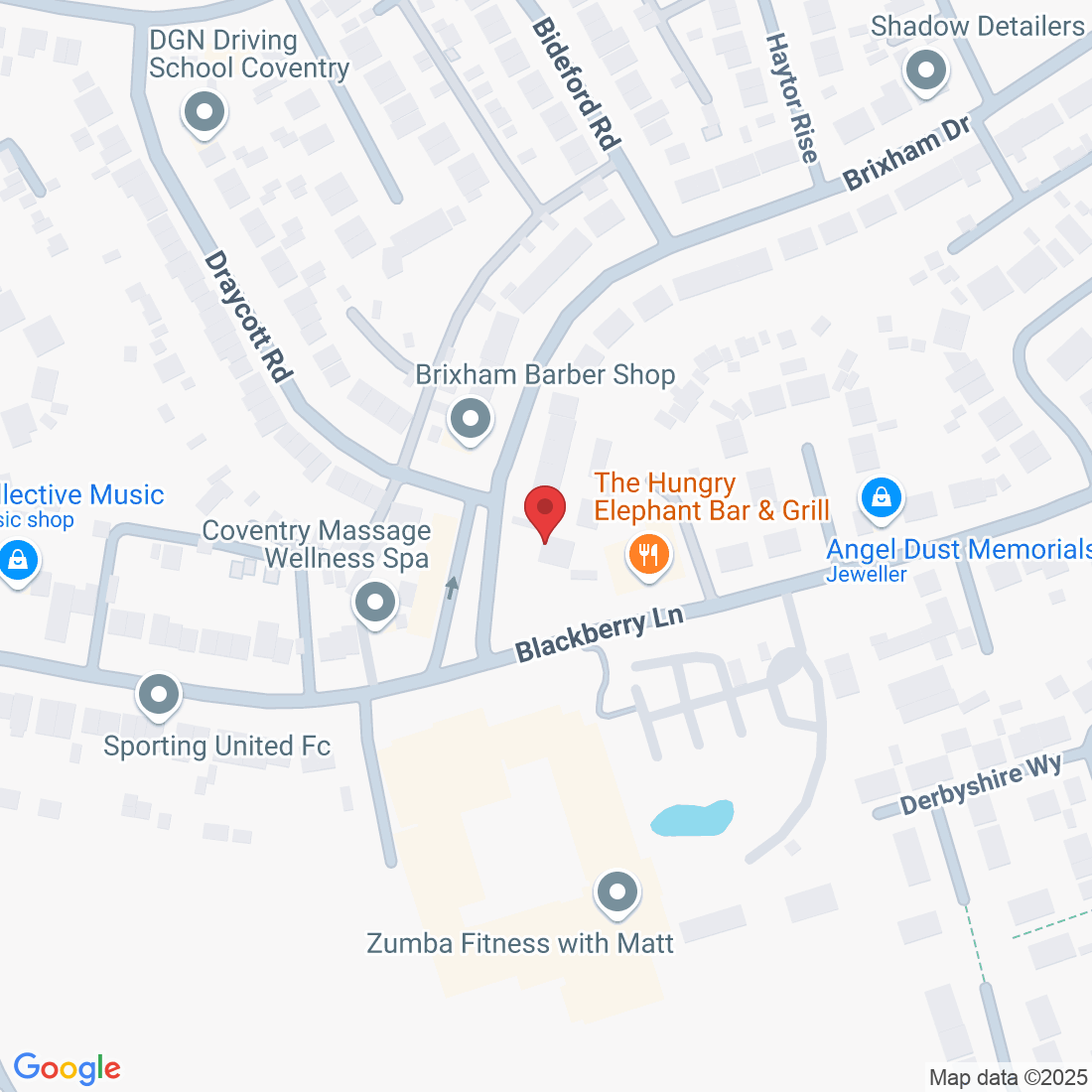
Where To Find Coventry Foot Doctor
Just minutes from University Hospital Coventry, easily accessed from M6, M1 and M69.
Biomechanix. Wyken Medical Centre, Brixham Drive, Coventry, West Midlands CV2 3LB
9am - 5pm Monday to Friday
Free Parking - 12 Spaces Available



Legal
How to get in touch
© Copyright 2022. Biomechanix Clinic Ltd. All rights reserved.