
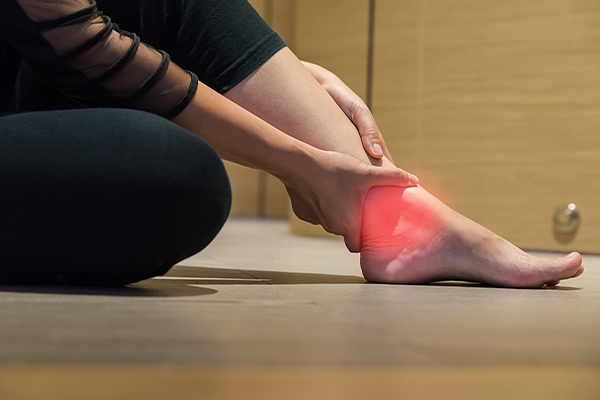
How Coventry’s Foot Clinic Treats Non-Healing Foot Wounds
Introduction
At Coventry Foot Doctor, located in the heart of Coventry, we understand that non-healing foot wounds can be both painful and debilitating. These wounds, often caused by underlying conditions such as diabetes, poor circulation, or infections, require prompt and effective treatment. In this article, we will explore the causes of non-healing foot wounds, the innovative treatments available at our clinic, and the steps you can take to promote healing.
What Causes Non-Healing Foot Wounds?
Non-healing foot wounds can arise from various conditions and factors, including:
- Diabetes: Diabetes can lead to peripheral neuropathy and poor blood circulation, increasing the risk of foot ulcers.
- Peripheral Artery Disease (PAD): Reduced blood flow to the feet can hinder the healing process.
- Infections: Bacterial and fungal infections can exacerbate existing wounds.
- Pressure Ulcers: Prolonged pressure on specific areas can lead to sores, especially in patients with limited mobility.
- Other Medical Conditions: Conditions like rheumatoid arthritis can compromise skin integrity, making healing slower.
How Can I Treat Non-Healing Foot Wounds?
Effective treatment of non-healing foot wounds often requires a multifaceted approach. At Coventry Foot Doctor, our experienced podiatrists offer a range of evidence-based treatments:
- Wound Care Management: We provide specialized wound dressings and care to create an optimal healing environment.
- Offloading Techniques: Reducing pressure on the affected area can significantly improve healing rates.
- Debridement: This procedure involves the removal of dead tissue, which can impede healing and increase infection risk.
- Medication: Depending on the wound's characteristics, antibiotics or topical ointments may be prescribed to combat infections.
- Advanced Therapies: Techniques such as hyperbaric oxygen therapy and growth factor application can stimulate healing.
What Are the Stages of Wound Healing?
Understanding the stages of wound healing can help you monitor your progress:
- Hemostasis: The body rapidly stops bleeding through clot formation.
- Inflammation: Body’s immune responses clear away debris and pathogens.
- Proliferation: New tissue and blood vessels form, filling the wound.
- Maturation: The wound undergoes remodeling, leading to stronger skin.
How Can I Prevent Non-Healing Foot Wounds?
Preventing non-healing foot wounds is crucial, especially for individuals at higher risk. Here are practical steps:
- Regular Foot Checks: Inspect your feet daily for any signs of cuts, blisters, or unusual changes.
- Proper Footwear: Wear shoes that fit well and provide adequate support to reduce the risk of pressure sores.
- Manage Chronic Conditions: Keep diabetes and other related conditions under control with regular medical checkups.
- Healthy Lifestyle: Maintain a balanced diet, exercise regularly, and stay hydrated to support overall health.
- Seek Prompt Care: If you notice a wound that isn’t healing, consult a podiatrist immediately.
When Should I See a Podiatrist?
It is essential to seek professional treatment for foot wounds that do not improve within two weeks, or if you experience the following:
- Increased redness, swelling, or pain
- Pus or foul-smelling discharge
- Fever or chills, indicating potential systemic infection
FAQs About Non-Healing Foot Wounds
- What is a foot ulcer?
A foot ulcer is a sore that develops on the skin of the foot, often due to pressure, injury, or underlying health issues such as diabetes. - How long does it take for a foot wound to heal?
Healing time varies depending on the severity and cause of the wound, ranging from a few days to several weeks or more. - Are non-healing wounds a sign of serious health issues?
Yes, they can indicate conditions such as diabetes, PAD, or infections that require medical attention. - Can I treat a non-healing wound at home?
While some care can be done at home, it’s crucial to consult a podiatrist for proper diagnosis and treatment to prevent complications. - What should I do if my foot wound gets worse?
If your wound worsens, seek immediate medical attention to evaluate and modify your treatment plan.
Conclusion
At Coventry Foot Doctor, we are dedicated to helping our patients in Coventry overcome the challenges posed by non-healing foot wounds. With our expert team and advanced treatment options, you can expect comprehensive care tailored to your specific needs. Don’t let foot wounds affect your quality of life. Book your appointment today and take the first step toward healing.

Ask Abid And His Team
Fill in the form to request a Call From Our Team
One of our team will call you for FREE and answer any questions or concerns you may have about your uncomfortable Foot Pain

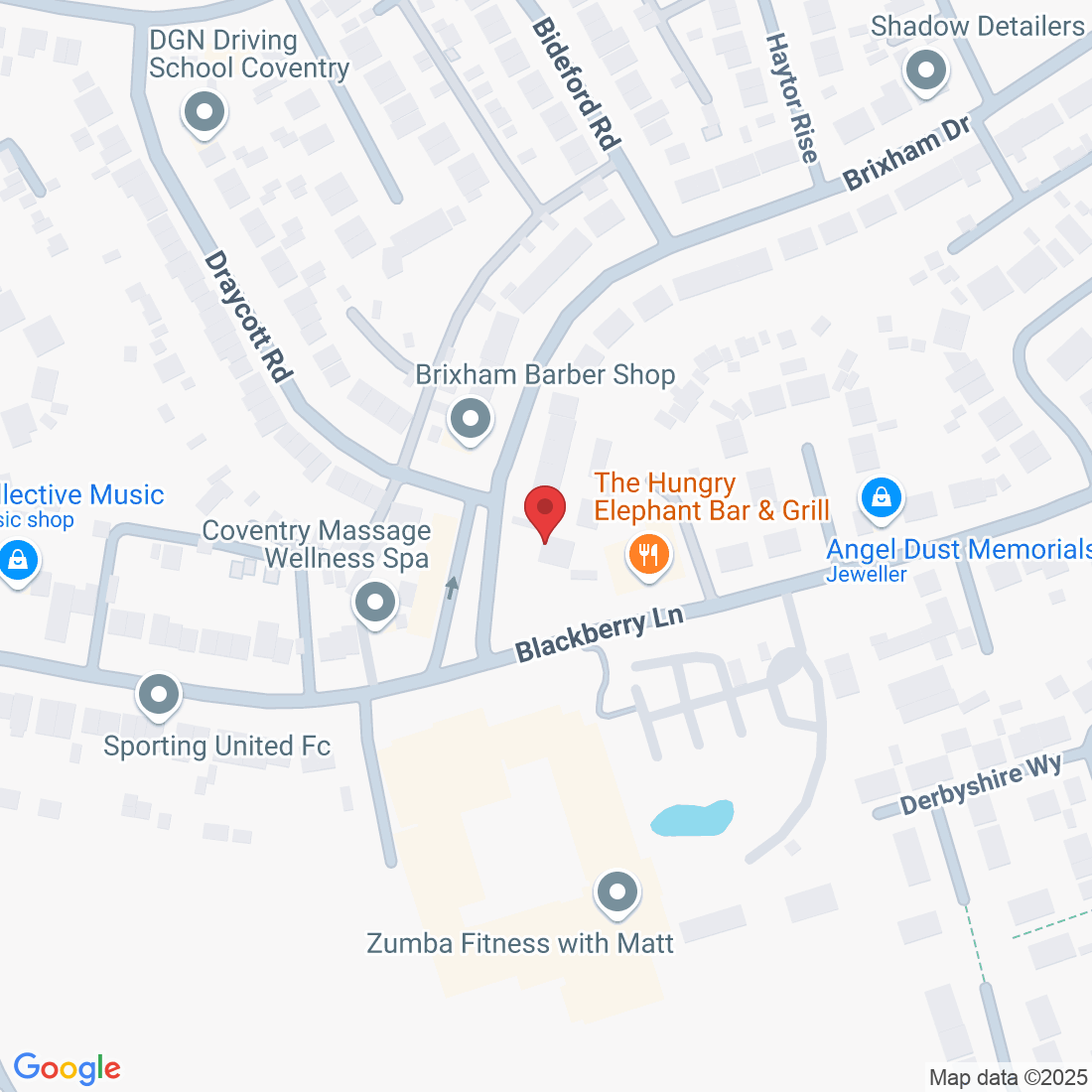
Where To Find Coventry Foot Doctor
Just minutes from University Hospital Coventry, easily accessed from M6, M1 and M69.
Biomechanix. Wyken Medical Centre, Brixham Drive, Coventry, West Midlands CV2 3LB
9am - 5pm Monday to Friday
Free Parking - 12 Spaces Available



Legal
How to get in touch
© Copyright 2022. Biomechanix Clinic Ltd. All rights reserved.