
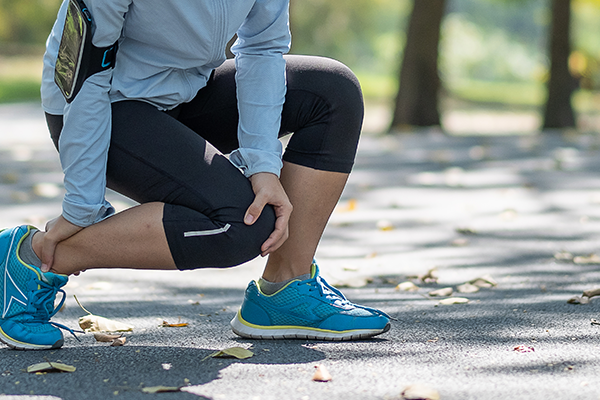
Knee Pain in Coventry: 7 Common Causes and When to Seek Help
Knee Pain in Coventry: 7 Common Causes and When to Seek Help
Knee pain is a prevalent issue that affects many individuals, particularly those living in Coventry. At Coventry Foot Doctor, we understand the discomfort and challenges that knee pain presents in daily life. In this blog post, we will explore seven common causes of knee pain and guide you on when it is necessary to seek professional assistance.
What causes knee pain?
Knee pain can result from various factors, including injuries, underlying medical conditions, and lifestyle choices. Here are seven common causes:
1. Osteoarthritis
This degenerative joint disease occurs when the cartilage protecting the knee joint wears away over time. It leads to pain, stiffness, and swelling, particularly after physical activity.
2. Patellar Tendonitis
Commonly known as "jumper's knee," this condition involves inflammation of the patellar tendon, which connects the kneecap to the shinbone. It often occurs in athletes engaged in sports that require repetitive jumping or running.
3. Ligament Injuries
Injuries to the ligaments of the knee, such as the anterior cruciate ligament (ACL) or medial collateral ligament (MCL), can occur during sudden twists or falls. Symptoms typically include instability and swelling.
4. Tendonitis
Overuse of knee structures can lead to tendonitis, resulting in inflammation of the tendons surrounding the knee. This is often seen in those who partake in repetitive activities without adequate rest.
5. Bursitis
Inflammation of the bursae, the small, fluid-filled sacs that cushion the knee joints, can cause knee pain. Bursitis often develops from frequent kneeling or pressure on the knee.
6. Meniscus Tears
The meniscus is a C-shaped cartilage in the knee that provides cushioning. Tears can occur during sports activities, leading to pain, swelling, and difficulty moving the knee.
7. Runners' Knee
Patellofemoral pain syndrome, commonly known as runner's knee, is characterized by pain around the kneecap. It is often linked to overuse, muscle imbalances, or poor foot alignment.
How can I treat knee pain?
Treatment for knee pain will depend on the underlying cause. Here are some general approaches:
1. Rest and Ice
Taking a break from activities and applying ice can help reduce inflammation and relieve pain.
2. Physical Therapy
A physical therapist can design a personalized exercise program to strengthen the muscles surrounding the knee and improve flexibility.
3. Anti-inflammatory Medications
Over-the-counter nonsteroidal anti-inflammatory drugs (NSAIDs) like ibuprofen may provide relief from pain and inflammation.
4. Injections
Corticosteroid or hyaluronic acid injections can help reduce inflammation and improve mobility in some cases.
5. Surgery
In severe cases, surgical intervention may be necessary to repair damaged ligaments, remove cartilage, or replace the knee joint.
When should I seek help for knee pain?
It is essential to seek professional help from a qualified podiatrist or orthopedic specialist if you experience any of the following:
- You have severe pain that prevents you from moving your knee.
- You notice swelling or bruising around the knee.
- Your knee feels unstable or "gives way" during movement.
- You are unable to bear weight on the affected leg.
- The pain persists for more than a few days despite home treatment measures.
Frequently Asked Questions (FAQ)
1. What are the common symptoms of knee pain?
Common symptoms include aching, stiffness, swelling, and difficulty bending or straightening the knee.
2. Can knee pain be a sign of a serious condition?
Yes, knee pain can indicate serious conditions such as ligament tears, fractures, or degenerative diseases, so it's important to consult a professional.
3. How is knee pain diagnosed?
Diagnosis typically involves a clinical examination, medical history review, and imaging tests such as X-rays or MRIs to determine the underlying cause.
4. Is surgery always required for knee pain?
No, many cases of knee pain can be managed with conservative treatments. Surgery is considered when non-operative methods fail.
5. What can I do to prevent knee pain?
Maintaining a healthy weight, engaging in regular low-impact exercise, and using proper techniques during physical activities can help prevent knee pain.
Conclusion
Knee pain can severely impact your quality of life, making it essential to understand its potential causes and treatment options. At Coventry Foot Doctor, our team is dedicated to helping you find relief and improve your mobility. If you're experiencing knee pain or have any concerns, don't hesitate to seek our expert guidance.
To schedule an appointment, please visit our booking page here. We're here to support you on your journey to better foot and knee health in Coventry.

Ask Abid And His Team
Fill in the form to request a Call From Our Team
One of our team will call you for FREE and answer any questions or concerns you may have about your uncomfortable Foot Pain

Where To Find Coventry Foot Doctor
Just minutes from University Hospital Coventry, easily accessed from M6, M1 and M69.
Biomechanix. Wyken Medical Centre, Brixham Drive, Coventry, West Midlands CV2 3LB
9am - 5pm Monday to Friday
Free Parking - 12 Spaces Available




Legal
How to get in touch
© Copyright 2022. Biomechanix Clinic Ltd. All rights reserved.