

Early Signs of an Ingrown Nail You Shouldn’t Ignore
Introduction
If you're a resident of Coventry and experiencing discomfort in your toes, you may be dealing with an ingrown toenail. At Coventry Foot Doctor, we understand the urgency of addressing foot conditions before they escalate. An ingrown toenail occurs when the edges of the nail grow into the surrounding skin, causing pain, swelling, and potential infection. Recognizing the early signs of an ingrown nail is crucial for effective treatment and prevention of more serious complications.
What Causes Ingrown Toenails?
Ingrown toenails can result from various factors, including:
- Improper Nail Trimming: Cutting nails too short or rounding the edges can encourage the nail to grow into the skin.
- Tight Footwear: Shoes that crowd the toes can increase the risk of nails becoming ingrown.
- Genetics: Some individuals may have naturally curved nail shapes that predispose them to ingrown nails.
- Injury: Trauma to the toe can prompt the nail to grow incorrectly.
- Fungal Infections: Conditions that alter nail growth may also contribute to ingrown toenails.
Early Signs of an Ingrown Nail You Shouldn’t Ignore
Identifying an ingrown toenail early can significantly improve treatment outcomes. Look out for the following symptoms:
- Localized Pain: Pain along one side of the nail, especially when pressure is applied.
- Redness and Swelling: Inflammation surrounding the nail can indicate that it is pushing into the skin.
- Discharge: Pus or fluid may ooze from the side of the nail, signifying an infection.
- Growth of Excess Skin: A thickened area of skin (granulation tissue) may develop at the site.
- Unpleasant Odor: Foul smells may arise from infection, requiring timely attention.
How Can I Treat an Ingrown Toenail at Home?
While some cases require professional intervention, you can manage mild symptoms at home with the following methods:
- Soak Your Foot: Use warm water to soak your foot for 15-20 minutes, which can help reduce swelling and soften the skin.
- Use Over-the-Counter Pain Relievers: Nonsteroidal anti-inflammatory drugs (NSAIDs) can alleviate discomfort.
- Wear Comfortable Shoes: Avoid tight shoes and opt for sandals or open-toed footwear until the condition improves.
- Elevate the Nail: Place a small piece of cotton or dental floss under the ingrown edge of the nail to encourage proper growth.
- Maintain Cleanliness: Regularly clean the affected area and keep it dry to prevent infection.
When Should I See a Podiatrist?
If home remedies do not relieve your symptoms or if you notice signs of infection, it’s essential to schedule an appointment with a podiatrist at Coventry Foot Doctor. You should seek professional care if:
- The pain worsens or is severe.
- The area shows extensive redness and swelling.
- There is persistent drainage or a foul odor.
- You have diabetes or circulatory issues, increasing your risk of complications.
- The ingrown toenail continues to recur despite home treatment.
What Treatments Can a Podiatrist Provide?
Podiatrists can offer several professional treatments, depending on the severity of the ingrown toenail:
- Partial Nail Removal: In cases where the nail edge has deeply embedded itself, removing the affected portion may be necessary.
- Matrixectomy: For recurrent ingrown toenails, a matrixectomy involves removing part of the nail matrix to prevent future growth.
- Antibiotic Treatment: If there is an infection, antibiotics may be prescribed to manage it effectively.
- Patient Education: Podiatrists can provide advice on proper nail care and footwear selection to prevent recurrence.
Conclusion
Ignoring the early signs of an ingrown toenail can lead to painful complications, making it essential to act promptly. If you reside in Coventry and suspect that you may have an ingrown toenail, do not hesitate to reach out to us at Coventry Foot Doctor. Our experienced team is dedicated to providing high-quality podiatric care tailored to your needs. Visit our booking page to schedule your appointment today: Book Now.
FAQ
1. What’s the best way to trim my toenails to prevent ingrown nails?
Always cut your nails straight across without rounding the corners, and avoid cutting them too short.
2. Can ingrown toenails be a sign of other health issues?
Yes, especially in individuals with diabetes or circulatory problems; it’s essential to seek medical advice.
3. Are there any lifestyle changes I can make to prevent ingrown toenails?
Wearing well-fitting shoes and practicing proper nail hygiene can significantly reduce your risk.
4. How long does it take for an ingrown toenail to heal?
Healing times vary but typically improve within a few days with appropriate care. Severe cases may take longer.
5. Is it safe to remove an ingrown toenail at home?
It’s generally advised to seek professional help to avoid complications, especially if there are signs of infection.

Ask Abid And His Team
Fill in the form to request a Call From Our Team
One of our team will call you for FREE and answer any questions or concerns you may have about your uncomfortable Foot Pain

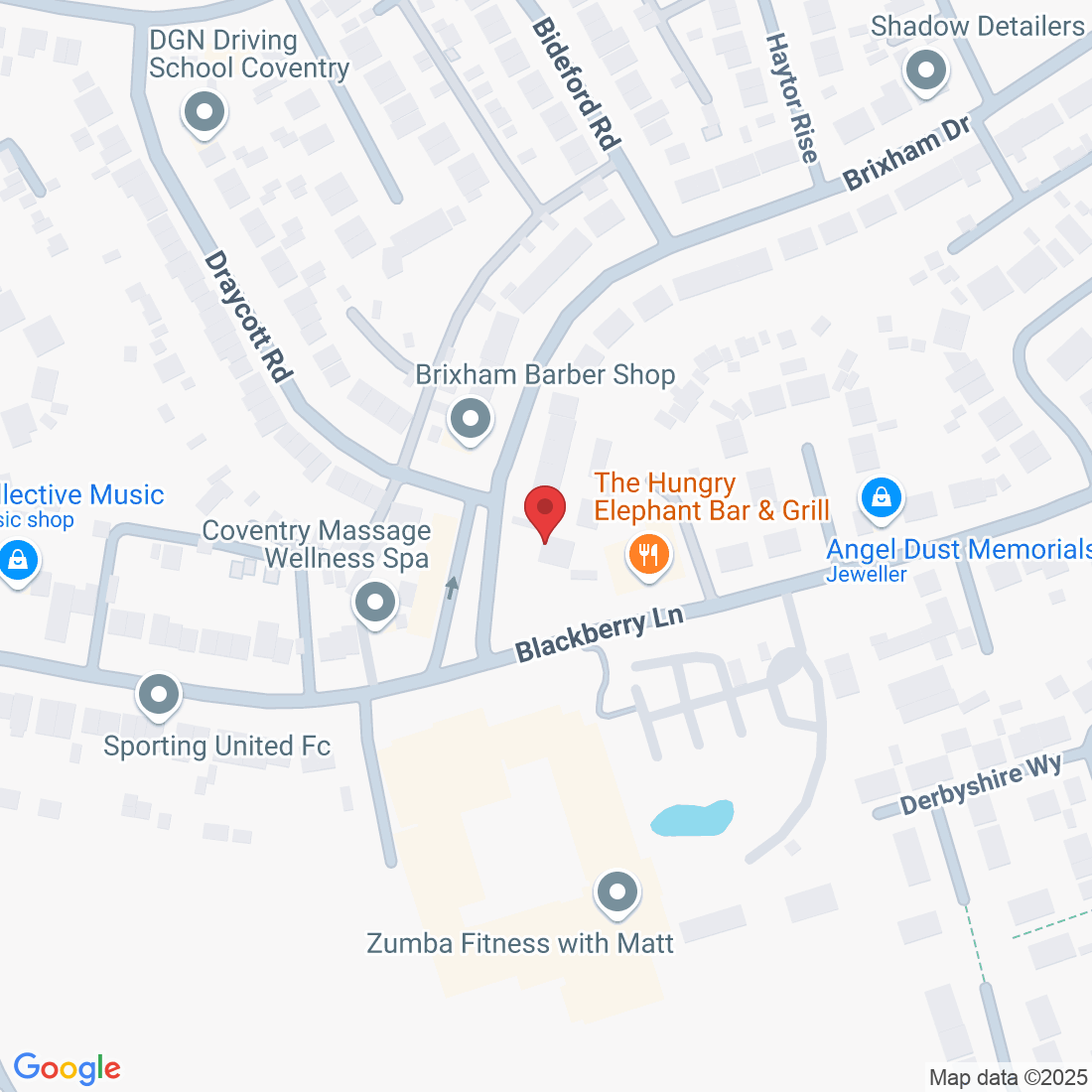
Where To Find Coventry Foot Doctor
Just minutes from University Hospital Coventry, easily accessed from M6, M1 and M69.
Biomechanix. Wyken Medical Centre, Brixham Drive, Coventry, West Midlands CV2 3LB
9am - 5pm Monday to Friday
Free Parking - 12 Spaces Available



Legal
How to get in touch
© Copyright 2022. Biomechanix Clinic Ltd. All rights reserved.