

Say Goodbye to Cracked Heels – Coventry Chiropody Solutions That Work
Say Goodbye to Cracked Heels – Coventry Chiropody Solutions That Work
If you're tired of dealing with cracked heels, you're not alone. Many residents in Coventry experience this common foot condition that can lead to discomfort and pain if left untreated. At Coventry Foot Doctor, our podiatry experts provide effective solutions tailored to your needs. This article delves into the causes of cracked heels, available treatment options, and preventive measures to keep your feet healthy and pain-free.
What Causes Cracked Heels?
Cracked heels, or fissured heels, develop when the skin around the heel becomes dry and thickens. Common causes include:
- Dry Skin: A lack of moisture can lead to the skin becoming brittle, resulting in cracks.
- Standing for Long Periods: Prolonged weight-bearing activities increase pressure on the heels, contributing to cracking.
- Improper Footwear: Shoes that lack support or do not fit well can exacerbate heel fissures.
- Medical Conditions: Conditions such as diabetes and eczema can affect skin health and lead to cracks.
- Obesity: Extra weight can increase the strain on the feet, causing the skin to crack.
How Can I Treat Cracked Heels?
At Coventry Foot Doctor, we offer several effective treatments for managing cracked heels:
- Moisturizers: Regular application of emollients can help maintain skin hydration. Popular options include urea-based creams, which penetrate deeply into the skin.
- Podiatry Intervention: Our chiropodists can perform debridement to remove thickened skin, encouraging healthier skin growth.
- Orthotics: Custom insoles can redistribute pressure on the feet, alleviating excessive strain on the heels, which may aid in healing.
- Foot Soaks: Soaking your feet in warm water followed by application of a rich moisturizer can help soften and hydrate cracked skin.
- Medical Treatment: In severe cases, prescription medications or treatments may be required, and our clinicians are here to help.
Preventing Cracked Heels
Prevention is key in maintaining healthy feet. Consider these tips to avoid cracked heels:
- Keep Feet Moisturized: Regularly apply a thick moisturizer designed for foot care, especially after washing.
- Wear Proper Footwear: Choose shoes that provide adequate support and cushioning for your feet.
- Stay Hydrated: Drinking plenty of water can help maintain skin elasticity and hydration.
- Manage Underlying Conditions: If you have diabetes or other skin conditions, consult with our foot specialists for tailored care.
- Regular Podiatry Visits: Schedule routine check-ups to monitor foot health and receive professional advice on care.
When Should I See a Podiatrist?
It's essential to seek professional help if:
- Cracks are deep and painful, causing bleeding or infection.
- Home treatments are ineffective after a few weeks.
- You have diabetes or circulatory issues that affect foot healing.
FAQ about Cracked Heels
- What are the symptoms of cracked heels?
Common symptoms include dry, flaky skin, pain, redness, and visible fissures in the heel. - Can cracked heels lead to infections?
Yes, deep cracks can become entry points for bacteria, leading to potential infections. - What types of moisturizers are best for cracked heels?
Look for creams that contain urea, glycerin, or hyaluronic acid for optimal hydration and healing. - Is it safe to treat cracked heels at home?
Many home treatments are effective, but consult a podiatrist if symptoms worsen or persist. - How often should I visit a podiatrist for cracked heels?
For persistent or severe cases, consider visiting every few months or as recommended by your podiatrist.
Conclusion
At Coventry Foot Doctor, we understand the impact of cracked heels on your daily life. Our team is dedicated to providing personalized solutions to help you achieve healthier feet. Don't let cracked heels hold you back any longer. Reach out to us today for an expert assessment and treatment plan tailored to your needs.

Ask Abid And His Team
Fill in the form to request a Call From Our Team
One of our team will call you for FREE and answer any questions or concerns you may have about your uncomfortable Foot Pain

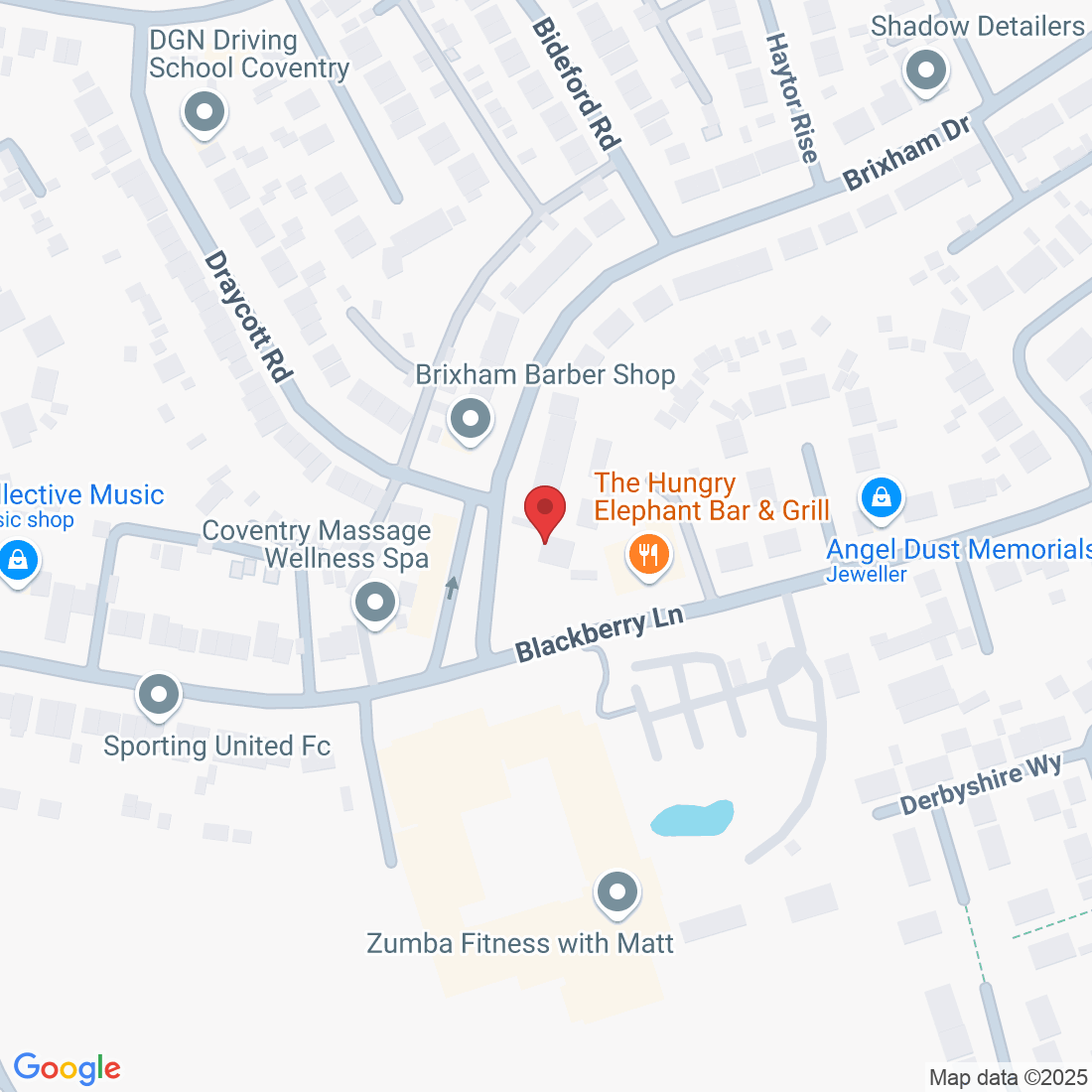
Where To Find Coventry Foot Doctor
Just minutes from University Hospital Coventry, easily accessed from M6, M1 and M69.
Biomechanix. Wyken Medical Centre, Brixham Drive, Coventry, West Midlands CV2 3LB
9am - 5pm Monday to Friday
Free Parking - 12 Spaces Available



Legal
How to get in touch
© Copyright 2022. Biomechanix Clinic Ltd. All rights reserved.