
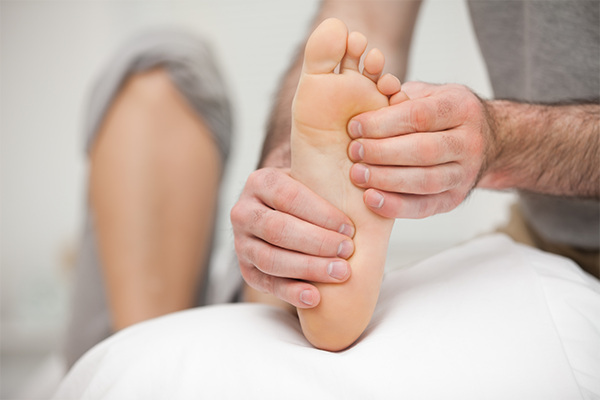
Foot and Ankle Pain After Returning to Exercise in Coventry: Why Does It Happen?
Understanding Foot and Ankle Pain After Returning to Exercise in Coventry
Many individuals in Coventry, including our patients at Coventry Foot Doctor, often experience foot and ankle pain after returning to exercise. This discomfort, although common, can be disconcerting and may stem from various factors related to the body, footwear, and exercise intensity. Understanding these causes is essential for effective management and prevention.
What Causes Foot and Ankle Pain After Exercise?
When we return to physical activities, particularly after a period of inactivity, our bodies may respond with soreness or pain. Here are some common causes of foot and ankle pain:
Muscle Strain and Overuse
After a long break from physical activities, muscles and tendons may not be accustomed to the stress of exercise, leading to strains or overuse injuries. This is particularly true for the Achilles tendon, which connects the calf muscles to the heel bone.
Plantar Fasciitis
This condition involves inflammation of the plantar fascia, a thick band of tissue that runs across the bottom of the foot. Increased activity can exacerbate pain, especially during the first steps in the morning or after prolonged sitting.
Shin Splints
Characterized by pain along the shin bone, this condition can develop due to the impact of running or jumping. It often arises when individuals resume exercise without adequate training or conditioning.
Stress Fractures
Overloading the bones in the foot and ankle can lead to stress fractures, small cracks that typically cause localized pain. These injuries are more common in high-impact sports or activities.
Arthritis
Pre-existing conditions like osteoarthritis can worsen with increased activity, leading to joint pain and stiffness in the foot and ankle.
How Can I Treat Foot and Ankle Pain?
Treating foot and ankle pain effectively begins with understanding the underlying cause. Here are some common treatment strategies:
Rest and Ice
Taking a break from high-impact activities and applying ice to the affected area can alleviate pain and reduce inflammation.
Stretching and Strengthening Exercises
Implementing a regimen of stretching and strengthening exercises tailored to foot and ankle mechanics can support recovery and prevent future injuries.
Footwear Adjustments
Wearing appropriate footwear suited for your foot type and activities can greatly reduce strain and discomfort. Consider visiting a podiatrist for a fitting.
Physical Therapy
Working with a physical therapist can help develop a personalized exercise program designed to strengthen the foot and ankle structures.
Orthotics
Custom orthotics may provide necessary support for structural problems, helping redistribute weight and reduce pressure on painful areas.
When Should I Seek Professional Help?
It's crucial to listen to your body. If foot and ankle pain persists or worsens despite at-home care, professional evaluation is recommended. Signs that warrant a visit to Coventry Foot Doctor include:
- Sharp or severe pain that does not improve with rest
- Swelling or bruising that develops significantly
- Difficulty bearing weight or walking
- Symptoms that persist beyond a few days
FAQs About Foot and Ankle Pain in Coventry
- What are the common symptoms of plantar fasciitis?
Common symptoms include heel pain, especially during the first steps in the morning or after inactivity, and pain that decreases with activity but increases after prolonged standing.
- Can I exercise with foot pain?
It depends on the severity and cause of the pain. Low-impact activities might be advisable, but consult with a healthcare professional to avoid exacerbating your condition.
- How can I prevent foot pain when starting a new exercise routine?
Start gradually, incorporate rest days, choose the right footwear, and listen to your body’s responses to avoid overuse injuries.
- What type of shoes should I wear for running?
Look for shoes that provide adequate cushioning, support your arch type, and fit well. Visiting a specialty store for a gait analysis can be beneficial.
- What are the benefits of seeing a podiatrist?
A podiatrist can diagnose underlying issues, recommend tailored treatments, and provide professional advice on footwear and exercise modifications.
Conclusion
Experiencing foot and ankle pain after returning to exercise can be frustrating, but understanding the underlying causes and effective treatment options is essential. At Coventry Foot Doctor in Coventry, we are committed to providing you with the highest quality of care tailored to your needs. If you're struggling with foot or ankle pain, don't hesitate to book an appointment with us today. Our team of experienced podiatrists is here to help you get back on your feet safely and effectively.

Ask Abid And His Team
Fill in the form to request a Call From Our Team
One of our team will call you for FREE and answer any questions or concerns you may have about your uncomfortable Foot Pain

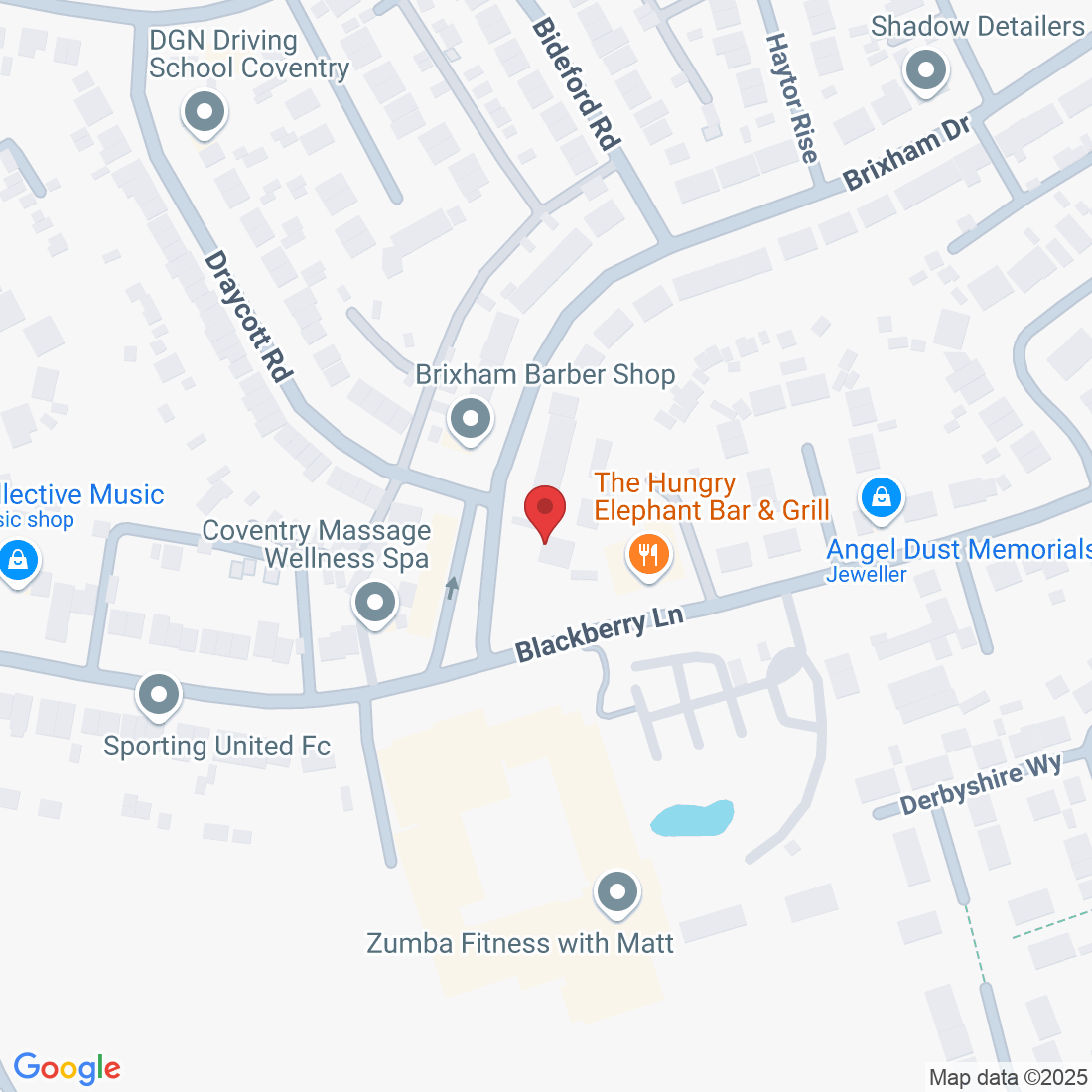
Where To Find Coventry Foot Doctor
Just minutes from University Hospital Coventry, easily accessed from M6, M1 and M69.
Biomechanix. Wyken Medical Centre, Brixham Drive, Coventry, West Midlands CV2 3LB
9am - 5pm Monday to Friday
Free Parking - 12 Spaces Available



Legal
How to get in touch
© Copyright 2022. Biomechanix Clinic Ltd. All rights reserved.