
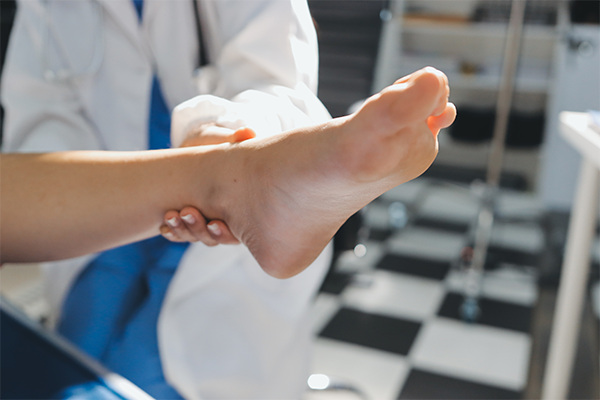
Best Shoes for Diabetic Feet – Advice from Coventry’s Foot Clinic
Best Shoes for Diabetic Feet – Advice from Coventry’s Foot Clinic
If you are living with diabetes, the health of your feet is paramount. Diabetes can lead to various complications, such as neuropathy and poor circulation, putting you at a higher risk for foot injuries and infections. At Coventry Foot Doctor, located in Coventry, our team is dedicated to providing you with expert advice on the best shoes for diabetic feet to help you maintain optimal foot health.
What Causes Foot Problems in Diabetic Patients?
Diabetes can lead to several complications that affect foot health, including:
- Diabetic Neuropathy: This condition involves the damage of nerves, resulting in reduced sensation in the feet. You may not feel injuries or pressure, increasing the risk of infections.
- Poor Circulation: Diabetes can hinder blood flow to the feet, delaying healing and increasing the risk of ulcers.
- Foot Deformities: Conditions such as bunions, hammertoes, or Charcot foot may develop, necessitating specialized footwear.
- Skin Changes: Dry skin or calluses can occur, leading to fissures that may become infected.
What Features Should I Look for in Diabetic Shoes?
Choosing the right footwear is crucial for preventing foot problems. Here are key features to consider:
- Wide Toe Box: Shoes should have a roomy toe area to prevent chafing and pressure on corns and bunions.
- Padded Collars: Padding around the ankle helps enhance comfort and reduce the risk of blisters.
- Shock Absorption: A cushioned sole helps absorb impact, providing protection and comfort during walking.
- Arch Support: Proper arch support can help distribute weight evenly, reducing the risk of foot pain and fatigue.
- Materials: Look for breathable, moisture-wicking materials to keep feet dry and comfortable, reducing the risk of infections.
How Do I Choose the Right Size?
Proper shoe fit is essential for diabetic patients. Follow these tips to find the right size:
- Measure Your Feet: Always measure both the length and width of your feet, ideally at the end of the day when they are slightly swollen.
- Check for Comfort: Walk around the store to ensure the shoes fit well and do not pinch or rub.
- Allow for a Break-In Period: Select shoes that feel comfortable from the start, but allow yourself time to adapt to new footwear.
What Types of Shoes are Recommended for Diabetic Feet?
Here are some types of shoes that are particularly beneficial for diabetic individuals:
- Diabetic Sneakers: Specifically designed with extra cushioning and support, these sneakers offer stability and comfort for daily activities.
- Orthopedic Shoes: Custom-fitted orthopedic shoes can accommodate foot deformities and provide additional support.
- Slip-On Shoes: These are ideal if you have balance issues; however, ensure they fit snugly to avoid slipping off.
- Sandals with Arch Support: Year-round footwear should provide comfort and support, ideally featuring cushioned soles and adjustable straps.
How Frequently Should I Check My Feet?
Regular foot inspections are crucial for maintaining foot health in diabetic patients. Here’s a helpful routine:
- Inspect your feet daily for any cuts, blisters, or redness.
- Use a mirror or seek assistance if you have difficulty seeing your feet.
- Schedule regular foot examinations with a podiatrist like those at Coventry Foot Doctor.
How Can I Treat Foot Issues Related to Diabetes?
Treatment for foot problems may involve several steps:
- Proper Foot Hygiene: Wash your feet daily and keep them moisturized to prevent dry skin and cracks.
- Seeking Professional Help: If you notice any foot issues, consult your podiatrist for appropriate treatment.
- Managing Diabetes: Keep blood sugar levels under control to reduce the risk of complications and foot problems.
Frequently Asked Questions (FAQ)
1. Can I wear regular shoes if I have diabetes?
While some regular shoes may suit individuals with mild diabetes, it is highly recommended to choose shoes specifically designed for diabetic feet to minimize risks.
2. How do I know if my shoes fit properly?
There should be a thumb's width of space between your longest toe and the end of the shoe, with no pinching or rubbing on any part of your foot.
3. Are there any shoe brands recommended for diabetic patients?
Brands like New Balance, Dr. Comfort, and Brooks often provide shoes that cater to diabetic foot health.
4. Can shoes help prevent diabetic foot ulcers?
Yes, wearing properly fitted shoes with adequate support can help prevent injuries and ulcers by reducing friction and pressure points on the feet.
5. What should I do if I develop a foot sore?
Seek medical attention immediately if you develop a sore on your foot, as timely treatment can prevent more serious complications.
At Coventry Foot Doctor, we understand that managing foot health is critical for anyone living with diabetes. Our team is here to guide you in finding the best shoes and strategies for maintaining healthy feet. Book an appointment with us today to take control of your foot health and ensure your comfort as you navigate daily life in Coventry.

Ask Abid And His Team
Fill in the form to request a Call From Our Team
One of our team will call you for FREE and answer any questions or concerns you may have about your uncomfortable Foot Pain

Where To Find Coventry Foot Doctor
Just minutes from University Hospital Coventry, easily accessed from M6, M1 and M69.
Biomechanix. Wyken Medical Centre, Brixham Drive, Coventry, West Midlands CV2 3LB
9am - 5pm Monday to Friday
Free Parking - 12 Spaces Available




Legal
How to get in touch
© Copyright 2022. Biomechanix Clinic Ltd. All rights reserved.