
How to Tell If It’s a Corn or a Verruca – Coventry Foot Tips
Understanding Corns and Verrucas
If you've noticed a painful bump or thickened skin on your foot, you may be wondering whether it's a corn or a verruca. At Coventry Foot Doctor, located in Coventry, we specialize in diagnosing and treating various podiatric conditions. Knowing the differences between these two common issues can help you seek appropriate treatment and relief.
What Causes Corns and Verrucas?
Corns and verrucas arise from different causes, despite some superficial similarities.
Corns
Corns are small, thickened areas of skin that form on the feet due to repeated friction or pressure. They often appear on the tops or sides of toes and are typically caused by:
- Improperly fitting footwear
- High-heeled shoes
- Foot deformities such as bunions or hammertoes
- Excessive walking or physical activities that increase pressure on the feet
Verrucas
Verrucas, or plantar warts, are benign growths caused by the human papillomavirus (HPV). They typically occur on the soles of the feet and may be caused by:
- Direct contact with the virus, often in moist environments such as swimming pools or communal showers
- Weakened immune systems that struggle to fight off infections
How Can I Tell If It’s a Corn or a Verruca?
Identifying whether you have a corn or a verruca is crucial for appropriate treatment. Here are some distinguishing features:
Appearance
- Corns: Typically have a hard center surrounded by inflamed skin. They are often yellowish or gray in color.
- Verrucas: Have a rough, grainy texture and may display tiny black dots (blood vessels) within them. They often appear flat and spread across a larger area.
Location
- Corns: Usually found on the toes or soles of the feet, particularly in areas subjected to repeated friction.
- Verrucas: Commonly found on weight-bearing areas of the foot, such as the heels or balls, where pressure is applied.
Pain and Sensitivity
- Corns: Typically painful when pressure is applied. They can cause discomfort while walking or standing.
- Verrucas: Can also be painful, especially if they are located in weight-bearing areas. However, some verrucas might be asymptomatic initially.
How Can I Treat Corns and Verrucas?
Treatment for Corns
Effective treatments for corns include:
- Properly fitting footwear to minimize friction
- Over-the-counter corn pads to alleviate pressure
- Regular exfoliation of the thickened skin
- Professional podiatric care for persistent corns, which may involve trimming or removal
Treatment for Verrucas
Treating verrucas can be more complex, as they are viral infections. Options include:
- Salicylic acid treatments available at pharmacies
- Cryotherapy (freezing the verruca) performed by a podiatrist
- Laser treatment in more persistent cases
It’s crucial to avoid DIY removal methods, as incorrect treatment may exacerbate the issue or lead to secondary infections.
When Should I See a Podiatrist?
If you are experiencing significant pain, persistent symptoms, or uncertainty about your condition, it's advisable to consult a podiatrist. At Coventry Foot Doctor, we provide comprehensive evaluations and tailored treatment plans specific to your needs.
Frequently Asked Questions (FAQ)
What’s the difference between a corn and a callus?
Corns are smaller, localized thickened areas of skin, while calluses are larger, thicker areas of skin that form in response to repeated friction or pressure.
Can self-treatment worsen my corn or verruca?
Yes, attempting to self-treat without proper knowledge may aggravate the condition, lead to infections, or even cause scars.
Are corns and verrucas contagious?
While corns are not contagious, verrucas can spread via direct contact with the virus. It’s key to maintain foot hygiene and avoid walking barefoot in public spaces.
How long does it take for a verruca to go away?
Verrucas can take several months to years to resolve on their own. Treatment can hasten recovery but may take multiple sessions.
Can I prevent corns and verrucas?
Yes, wearing well-fitted shoes, maintaining foot hygiene, and avoiding direct contact with infected surfaces can help prevent both conditions.
Conclusion
Understanding the differences between corns and verrucas is essential for effective treatment. If you're in Coventry and struggling with foot discomfort, don't hesitate to contact Coventry Foot Doctor. Our team is equipped to provide thorough assessments and personalized care. To book your appointment, please visit our online booking page.

Ask Abid And His Team
Fill in the form to request a Call From Our Team
One of our team will call you for FREE and answer any questions or concerns you may have about your uncomfortable Foot Pain

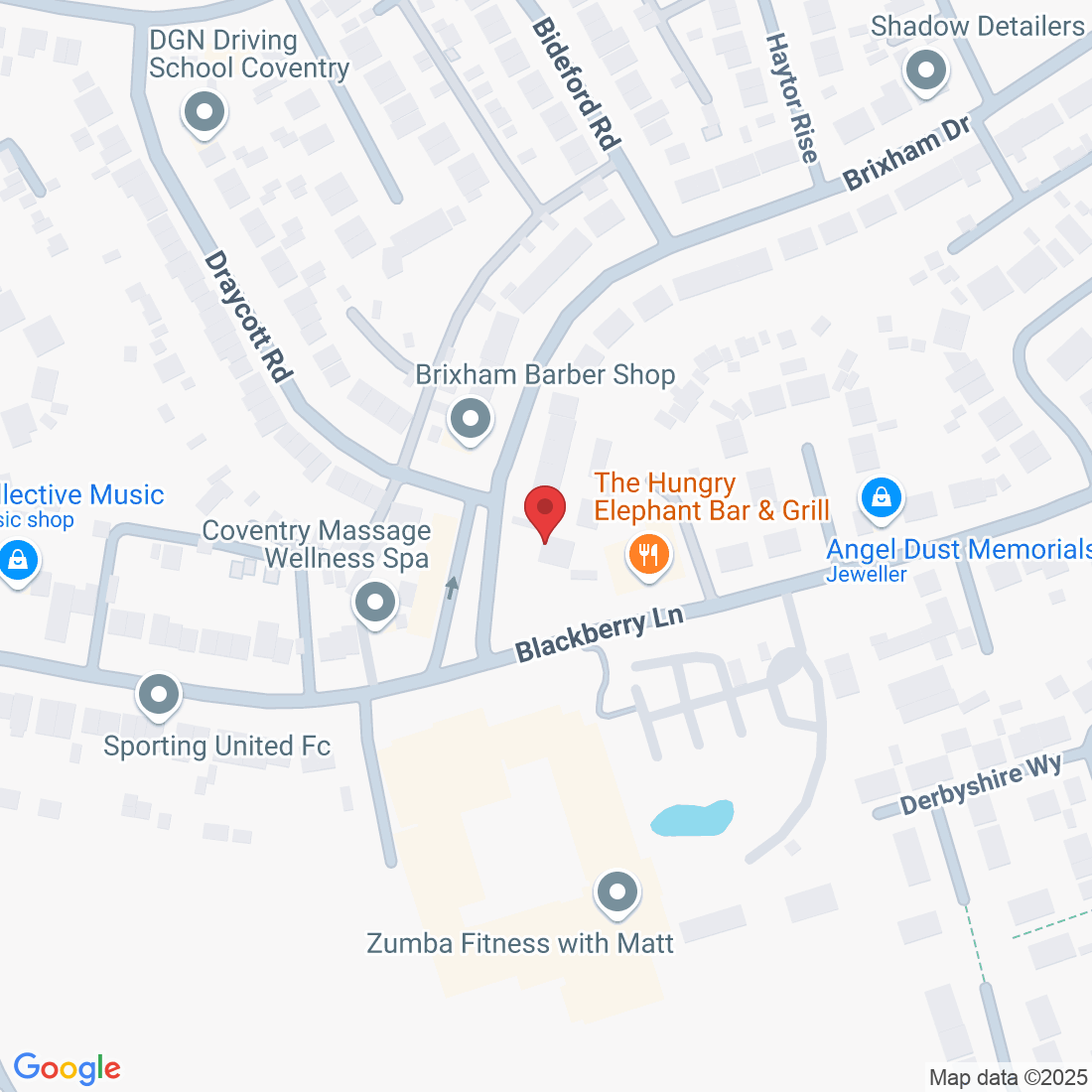
Where To Find Coventry Foot Doctor
Just minutes from University Hospital Coventry, easily accessed from M6, M1 and M69.
Biomechanix. Wyken Medical Centre, Brixham Drive, Coventry, West Midlands CV2 3LB
9am - 5pm Monday to Friday
Free Parking - 12 Spaces Available



Legal
How to get in touch
© Copyright 2022. Biomechanix Clinic Ltd. All rights reserved.