

Recurring Ingrown Toenails in Coventry: Why Do They Keep Coming Back?
Understanding Recurring Ingrown Toenails
Ingrown toenails, a common condition, can be bothersome and painful, particularly when they keep returning. At Coventry Foot Doctor in Coventry, we aim to provide you with comprehensive information about why you might be experiencing recurring ingrown toenails and how to effectively manage and treat this condition.
What Causes Ingrown Toenails?
Ingrown toenails occur when the edges of the nails grow into the surrounding skin, leading to inflammation, pain, and sometimes infection. Several factors can contribute to this condition:
- Poor Nail Trimming: Cutting toenails too short or rounding the edges can encourage ingrowth.
- Improper Footwear: Tight or ill-fitting shoes can place excessive pressure on the toes.
- Genetics: Some individuals may have a genetic predisposition to ingrown toenails, often linked to the shape of their toenails.
- Foot Health Conditions: Conditions like fungal infections or trauma can lead to abnormal nail growth.
- Hygiene Issues: Lack of proper foot care can exacerbate foot problems, making ingrown toenails more likely.
Why Do Ingrown Toenails Keep Coming Back?
Recurring ingrown toenails can stem from multiple reasons:
- Incomplete Treatment: If previous treatments were not fully effective, the ingrown nail may continue to recur.
- Underlying Conditions: Medical conditions such as diabetes or neuropathy can impair foot health, leading to repeated issues.
- Improper Nail Care: Not following proper nail care routines can perpetuate the problem.
- Footwear Choices: Continuing to wear tight or inappropriate shoes can consistently irriate the toes.
- Genetic Factors: As mentioned, those with a family history of ingrown nails may find that treating the issue does not provide a lasting solution.
How Can I Treat Ingrown Toenails?
Effective treatment for ingrown toenails typically involves several approaches. Here are some common methods:
- Home Care: Soaking the foot in warm water with Epsom salt can help reduce inflammation. Ensure the area is kept clean and dry.
- Proper Nail Trimming: Always cut nails straight across and avoid cutting them too short. If unsure, consult a podiatrist at Coventry Foot Doctor.
- Footwear Adjustments: Opt for shoes with a wide toe box and avoid tight footwear to relieve pressure on the toes.
- Antibiotics: If an infection is present, your podiatrist may prescribe antibiotics to treat the infection.
- Surgical Intervention: In persistent cases, a surgical approach to partially or completely remove the nail may be recommended.
When to Seek Professional Help?
If you’re suffering from recurrent ingrown toenails, it’s crucial to consult a podiatrist as early treatment can prevent complications. Signs that warrant a visit to Coventry Foot Doctor include:
- Severe pain or swelling around the toe.
- Signs of infection such as pus or redness.
- Chronic issues despite at-home care.
- Difficulty in managing foot care due to diabetes or other health conditions.
How to Prevent Ingrown Toenails?
Preventing ingrown toenails is often achievable with proper foot care. Here are some recommendations:
- Maintain regular foot hygiene and check your feet daily, especially if you have underlying health conditions.
- Use proper footwear; ensure shoes fit well and provide ample space for your toes.
- Trim nails correctly; avoid cutting nails too short or shaping the edges round.
- Consider using a foot care cream to keep skin moisturized and healthy.
Frequently Asked Questions (FAQ)
1. Can ingrown toenails cause larger health issues?
Yes, especially in individuals with diabetes or compromised immune systems, untended ingrown toenails can lead to infections and other complications.
2. Are there natural remedies for ingrown toenails?
Home remedies such as warm Epsom salt soaks and applying antibiotic ointment can help, but persistent cases should be evaluated by a professional.
3. Will ingrown toenails grow back after treatment?
They can return if preventive measures are not taken seriously; however, surgical solutions can significantly reduce recurrence rates.
4. How long does it take to recover from surgery for ingrown toenails?
Recovery time varies from person to person, but most people can return to regular activities within a few weeks post-operation, provided they follow aftercare guidelines.
5. Is it painful to have ingrown toenails treated?
While the treatment process might cause some discomfort, local anaesthesia is typically used to manage pain during procedures.
Conclusion
Recurring ingrown toenails are a common yet distressing issue that can greatly impact your foot health. At Coventry Foot Doctor in Coventry, we specialize in helping patients understand and manage this condition effectively. If you are experiencing symptoms or have concerns about your foot health, don't hesitate to reach out. Book an appointment today to receive expert care and personalized treatment options.

Ask Abid And His Team
Fill in the form to request a Call From Our Team
One of our team will call you for FREE and answer any questions or concerns you may have about your uncomfortable Foot Pain

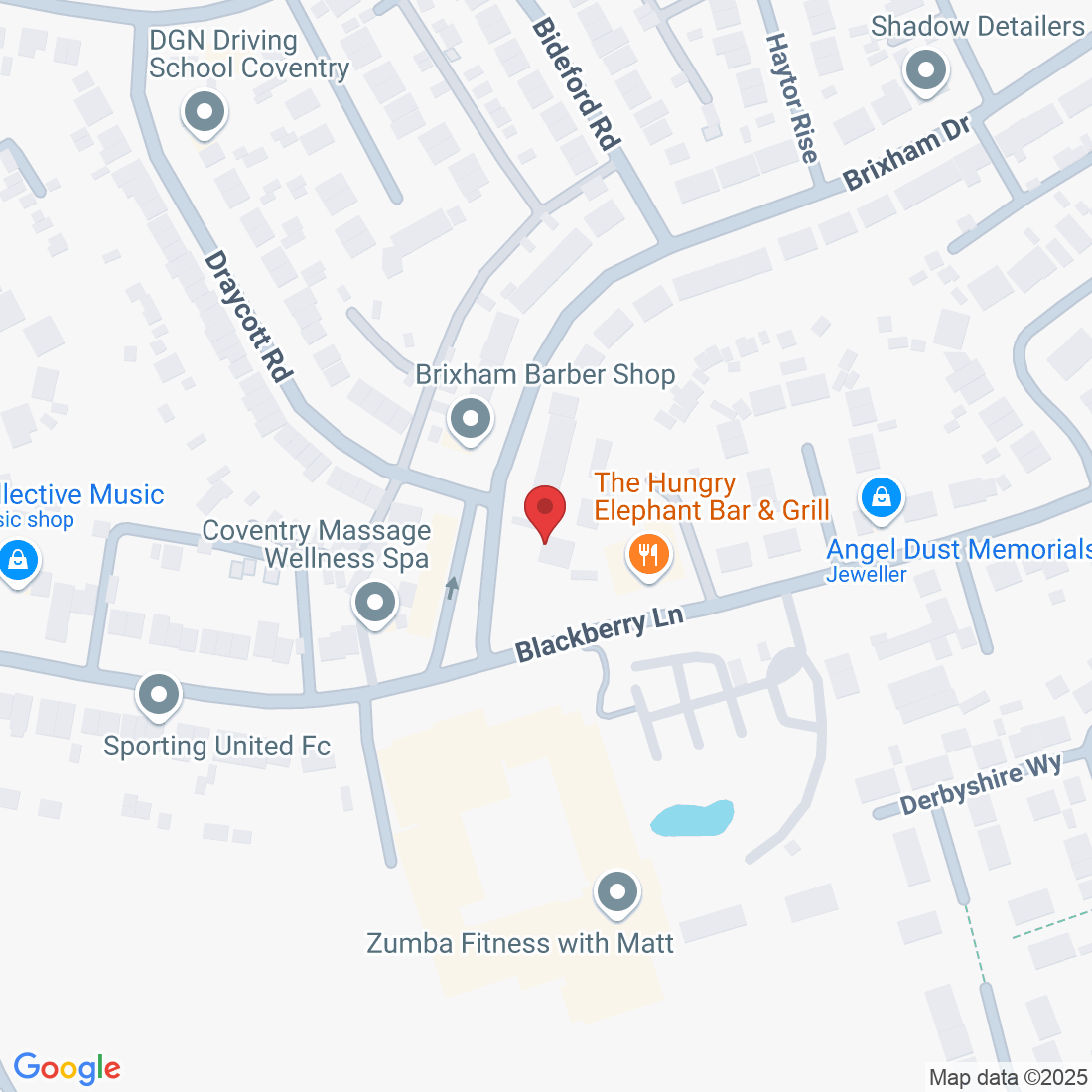
Where To Find Coventry Foot Doctor
Just minutes from University Hospital Coventry, easily accessed from M6, M1 and M69.
Biomechanix. Wyken Medical Centre, Brixham Drive, Coventry, West Midlands CV2 3LB
9am - 5pm Monday to Friday
Free Parking - 12 Spaces Available



Legal
How to get in touch
© Copyright 2022. Biomechanix Clinic Ltd. All rights reserved.