

Understanding the Different Types of Orthotics: Functional vs. Accommodative
Orthotics are a powerful tool in podiatric care, designed to alleviate pain, improve function, and prevent further injury. Whether you suffer from chronic foot pain, heel spurs, or a structural foot issue like flat feet, orthotics can be an essential part of your treatment plan. However, not all orthotics are created equal. In fact, there are two main types—functional and accommodative—each designed for different purposes.
In this blog post, we’ll dive into the differences between functional and accommodative orthotics, and explore when each type is appropriate for your foot health needs.
What Are Functional Orthotics?
Functional orthotics are designed to correct abnormal foot mechanics by influencing the way you walk or stand. They are custom-made to fit the shape of your foot and are engineered to control motion, improve alignment, and reduce abnormal stresses on specific areas of the foot, ankle, and lower body.
Key Features of Functional Orthotics:
Corrective in Nature: Functional orthotics are typically used to correct biomechanical issues such as overpronation (where the foot rolls inward) or supination (when the foot rolls outward).
Supportive: These orthotics provide more rigid support to control foot motion, ensuring proper alignment during walking or running.
Used for Dynamic Activities: Functional orthotics are ideal for people with active lifestyles, athletes, or those who engage in high-impact activities like running, hiking, or sports. They help reduce the risk of injury by stabilizing the feet and correcting movement patterns.
Conditions Treated by Functional Orthotics:
Flat feet or fallen arches
Plantar fasciitis
Achilles tendinopathy
Overuse injuries
Ankle instability
What Are Accommodative Orthotics?
Accommodative orthotics, on the other hand, are primarily designed for comfort rather than correction. They are softer, more flexible, and intended to redistribute pressure across the foot. These orthotics are ideal for people who have structural foot problems or painful conditions that require more cushioning and support.
Key Features of Accommodative Orthotics:
Cushioning and Shock Absorption: Accommodative orthotics provide additional padding and are often made from soft materials like foam or gel, which help absorb shock and reduce pressure on the feet.
No Correctional Intent: These orthotics don’t correct foot function; instead, they provide relief from conditions like arthritis, bunions, or diabetic foot issues.
Gentle Support: While not as rigid as functional orthotics, accommodative orthotics offer gentle support and help prevent excessive pressure in vulnerable areas.
Conditions Treated by Accommodative Orthotics:
Diabetes-related foot problems (e.g., neuropathy, ulcers)
Arthritis
Bunions or hammertoes
Metatarsalgia (pain in the ball of the foot)
Heel spurs
How to Choose Between Functional and Accommodative Orthotics
Choosing between functional and accommodative orthotics depends on the condition you’re dealing with and your specific needs:
If you're dealing with structural foot problems (like flat feet, overpronation, or an unstable gait) that require correction, functional orthotics will help to correct abnormal movement patterns and align the body.
If you’re managing a chronic condition that causes pain or pressure in the feet, such as arthritis or diabetes-related foot problems, accommodative orthotics can provide comfort and cushioning to relieve stress on the affected areas.
A Podiatrist’s Role in Orthotic Prescription
When it comes to orthotics, the expertise of a podiatrist is key. At Coventry Foot Doctor, we take the time to thoroughly assess your feet, walking patterns, and specific concerns. After a comprehensive evaluation, we can recommend the type of orthotics that will provide the most benefit to your unique needs.
Custom orthotics are designed to fit your feet precisely, ensuring that you get the maximum benefit in terms of comfort, support, and functionality. Whether you need a corrective solution for biomechanical issues or a cushioning option for foot pain, we’re here to guide you through the process and ensure that your orthotics work for you.
Final Thoughts
Orthotics are a versatile and effective solution for a wide range of foot problems, and understanding the difference between functional and accommodative orthotics can help you make an informed decision about your treatment. Whether you need support to improve your foot mechanics or cushioning to relieve pressure, the right pair of orthotics can make a world of difference.
At Coventry Foot Doctor, we specialize in providing personalized orthotic solutions to improve your foot health. If you’re experiencing foot pain or discomfort, don’t wait—contact us today to schedule an assessment and find out how custom orthotics can benefit you.

Ask Abid And His Team
Fill in the form to request a Call From Our Team
One of our team will call you for FREE and answer any questions or concerns you may have about your uncomfortable Foot Pain

Where To Find Coventry Foot Doctor
Just minutes from University Hospital Coventry, easily accessed from M6, M1 and M69.
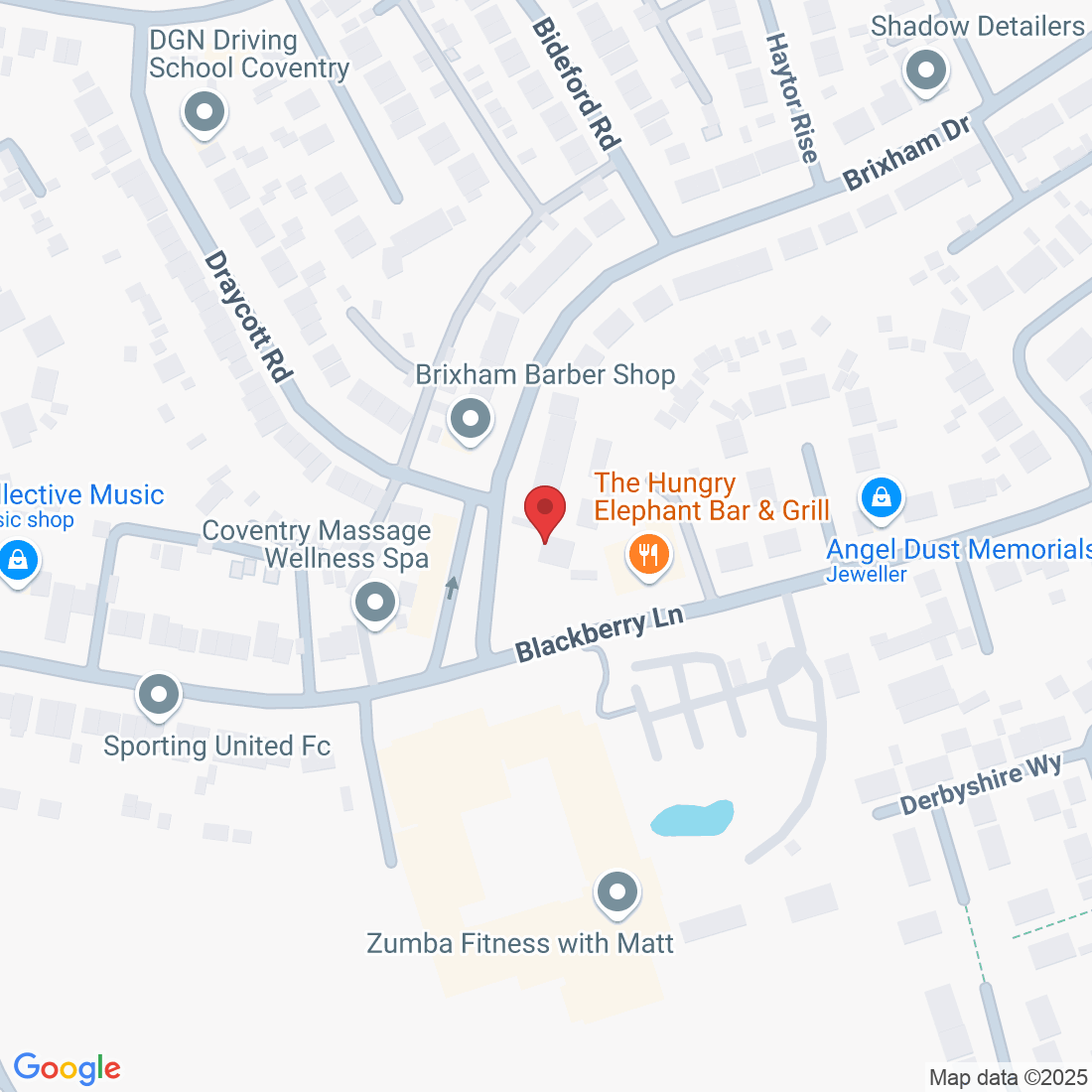
Biomechanix. Wyken Medical Centre, Brixham Drive, Coventry, West Midlands CV2 3LB
9am - 5pm Monday to Friday
Free Parking - 12 Spaces Available



Legal
How to get in touch
© Copyright 2022. Biomechanix Clinic Ltd. All rights reserved.