

Corns vs Calluses: What’s the Difference and Why It Matters
Corns vs Calluses: What’s the Difference and Why It Matters
Welcome to Coventry Foot Doctor, your trusted podiatry clinic in Coventry. Understanding foot conditions is essential for maintaining healthy feet, especially when it comes to common issues like corns and calluses. While they are both forms of thickened skin caused by friction, their differences are significant. This article breaks down the distinctions, causes, and treatments to help you take better care of your feet.
What Are Corns and Calluses?
Corns and calluses are keratinized skin formations that develop as a protective response to pressure or friction on the feet. They serve to protect the underlying skin from injury but can also cause discomfort and pain if not addressed properly.
Corns
Corns are small, conical, thickened areas of skin that typically form on the tops and sides of toes. They have a hard center and are usually surrounded by inflamed skin. Corns can be painful and can interfere with walking.
Calluses
Calluses, on the other hand, are larger, flatter patches of thickened skin that commonly develop on the soles of the feet or other weight-bearing areas. They are generally less painful than corns and are often caused by repetitive pressure or friction from activities such as walking or running.
What Causes Corns and Calluses?
- Corns: Common causes of corns include improperly fitting shoes, high-heeled footwear, and toe deformities such as hammertoes or bunions.
- Calluses: Calluses develop primarily due to excessive pressure from walking, standing, or wearing ill-fitting footwear. Conditions like flat feet or specific gait patterns can also increase their occurrence.
How Are Corns and Calluses Diagnosed?
A qualified podiatrist, such as those at Coventry Foot Doctor, will examine your feet to identify the presence of corns or calluses. The evaluation typically involves a visual inspection and, in some cases, a discussion regarding your footwear, lifestyle, and any associated symptoms.
How Can I Treat Corns and Calluses?
Treatment can vary depending on the severity and symptoms associated with corns and calluses.
Treatment Options for Corns
- Changing Footwear: Opt for shoes that offer ample room for your toes and provide good cushioning.
- Padding: Use over-the-counter corn pads to relieve pressure.
- Professional Removal: If corns are painful or persistent, seek professional treatment from a podiatrist, who may use instruments to gently pare down the corn.
Treatment Options for Calluses
- Moisturizers: Regularly apply emollients to soften the thickened skin.
- Foot Soaks: Soaking your feet in warm water can help to soften calluses for easier removal.
- Custom Orthotics: Prescription orthotic devices may be recommended to alleviate pressure points causing callus formation.
When Should I See a Doctor?
If corns or calluses are causing significant pain, redness, or swelling, or if you have diabetes or other conditions that affect blood flow or sensation in your feet, it is imperative to consult a foot specialist. Regular foot examinations are crucial to prevent complications.
Can Corns and Calluses Be Prevented?
Absolutely! Preventative measures include:
- Choosing well-fitted, comfortable footwear.
- Wearing moisture-wicking socks to minimize friction.
- Maintaining foot hygiene and regularly moisturizing your feet.
Frequently Asked Questions (FAQ)
1. Are corns and calluses the same thing?
No, corns are typically smaller and more painful than calluses. They form on toes while calluses develop on the soles of the feet.
2. Can I remove corns and calluses at home?
While some at-home treatments can help, it’s advisable to consult with a podiatrist for safe removal, especially if you have diabetes or poor circulation.
3. Will corns or calluses come back?
If the underlying causes, such as improper footwear or foot deformities, are not addressed, corns and calluses may return.
4. How can I prevent corns and calluses from forming?
Wearing well-fitting shoes, using protective pads, and maintaining foot hygiene can help prevent these issues.
5. What should I do if my corns or calluses are painful?
Consult a podiatrist at Coventry Foot Doctor. We can provide personalized treatment options to alleviate your discomfort.
Conclusion
Understanding the differences between corns and calluses is essential for managing your foot health effectively. At Coventry Foot Doctor, we are committed to providing comprehensive podiatric care in Coventry. If you’re experiencing discomfort or have concerns about corns or calluses, don’t hesitate to book an appointment with us.

Ask Abid And His Team
Fill in the form to request a Call From Our Team
One of our team will call you for FREE and answer any questions or concerns you may have about your uncomfortable Foot Pain

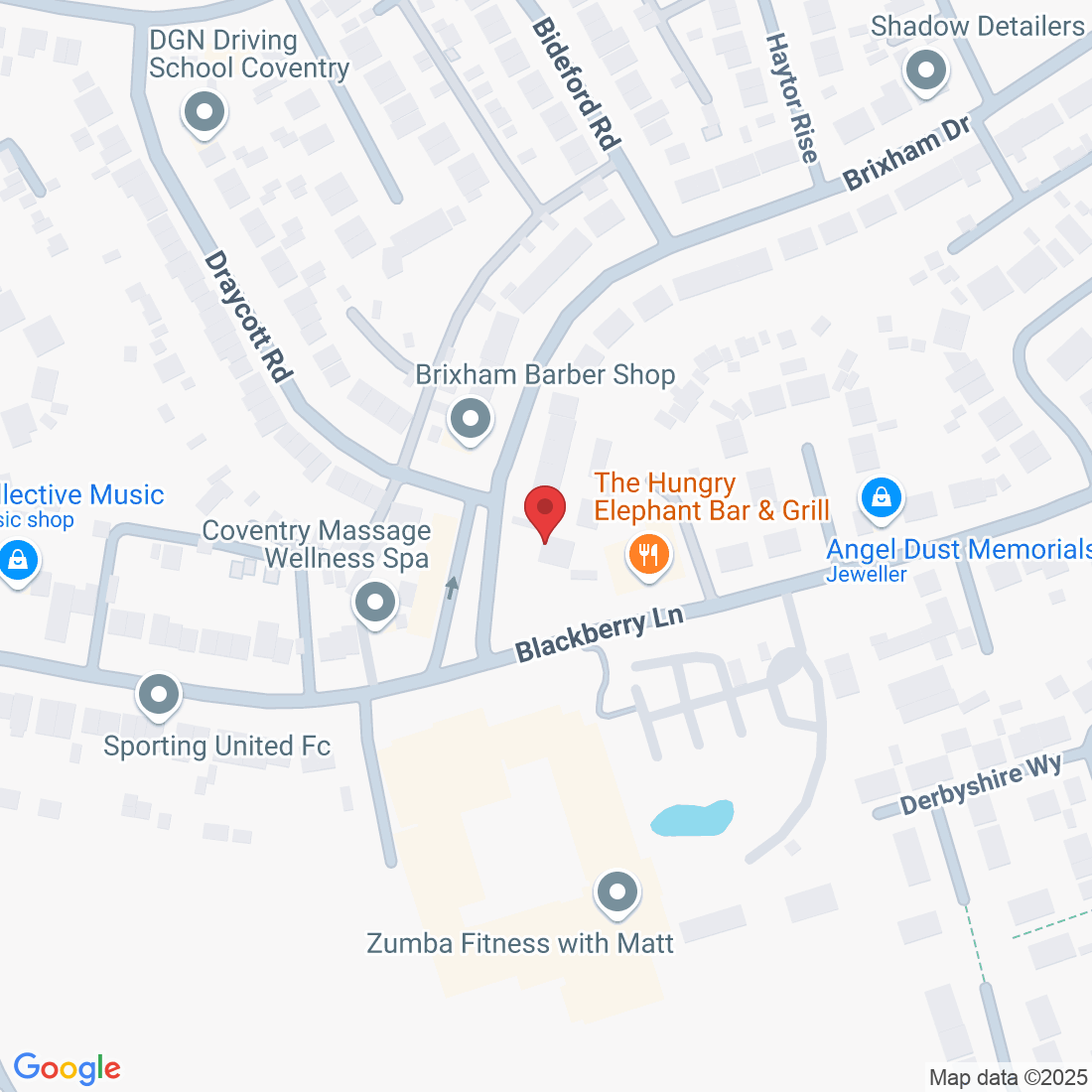
Where To Find Coventry Foot Doctor
Just minutes from University Hospital Coventry, easily accessed from M6, M1 and M69.
Biomechanix. Wyken Medical Centre, Brixham Drive, Coventry, West Midlands CV2 3LB
9am - 5pm Monday to Friday
Free Parking - 12 Spaces Available



Legal
How to get in touch
© Copyright 2022. Biomechanix Clinic Ltd. All rights reserved.