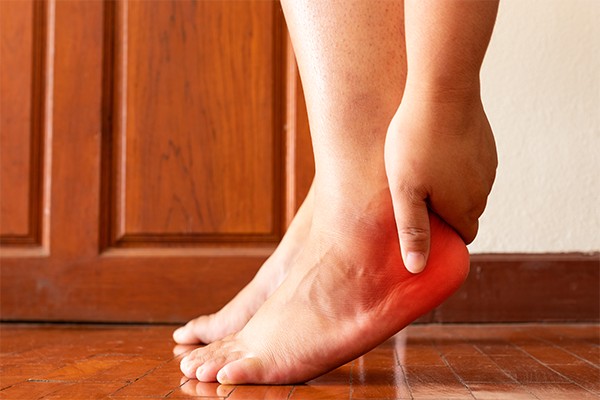
What’s a Heel Spur? Coventry Foot Doctor Explains
What is a Heel Spur?
A heel spur is a bony protrusion that forms on the underside of the heel bone (calcaneus). This condition often develops in response to chronic strain on the foot muscles and ligaments, leading to pain and discomfort in the heel region. At Coventry Foot Doctor, located in Coventry, we understand the impact that heel spurs can have on your quality of life, and we're here to provide expert insights into this foot condition.
What Causes Heel Spurs?
Heel spurs are commonly associated with several factors, including:
- Plantar Fasciitis: Inflammation of the plantar fascia, the thick band of tissue that runs across the bottom of your foot, can contribute to heel spur formation.
- Overuse: Activities that put excessive stress on the heel, such as running, jumping, or standing for long periods, can lead to heel spur development.
- Improper Footwear: Shoes that lack adequate support or cushioning can exacerbate stress on the heel.
- Aging: As we age, changes in our foot anatomy can increase the risk of heel spurs.
- Obesity: Excess body weight can add pressure to the feet, contributing to heel pain and spur formation.
What Are the Symptoms of a Heel Spur?
The symptoms typically associated with heel spurs include:
- A sharp pain in the heel, especially during the first steps in the morning or after prolonged sitting.
- Swelling or inflammation in the heel area.
- A constant ache in the heel that worsens with physical activity.
If you experience any of these symptoms, it is important to consult a professional at Coventry Foot Doctor for a thorough evaluation.
How is a Heel Spur Diagnosed?
Diagnosis of a heel spur typically involves a comprehensive physical examination and imaging tests such as X-rays. During your visit to our Coventry clinic, our experienced podiatrists will assess your symptoms and foot structure to determine the appropriate diagnosis and treatment plan.
How Can I Treat a Heel Spur?
Treatment for heel spurs aims to relieve pain and eliminate the underlying causes. Recommended methods include:
- Rest: Reducing activities that cause heel pain can alleviate symptoms.
- Icing: Applying ice to the affected area may help reduce inflammation.
- Footwear Modifications: Wearing shoes with better arch support and cushioning can mitigate heel irritation.
- Orthotics: Custom orthotic devices tailored to your foot structure can provide additional support.
- Physical Therapy: Stretching and strengthening exercises can improve flexibility and reduce pain.
- Medications: Nonsteroidal anti-inflammatory drugs (NSAIDs) may be recommended to decrease pain and swelling.
- Surgery: In severe cases, where conservative treatments fail, surgical intervention may be necessary to remove the spur.
When Should I See a Doctor?
If heel pain persists despite home care, or if it interferes with your daily activity, it is essential to seek medical attention. At Coventry Foot Doctor, we are committed to providing individualised care to help you return to your active lifestyle.
Frequently Asked Questions (FAQ)
1. Can heel spurs go away on their own?
In some cases, heel spurs may resolve with conservative treatments, but they can persist if the underlying issues remain unaddressed.
2. Are heel spurs and plantar fasciitis the same thing?
No, heel spurs and plantar fasciitis are related but distinct conditions. Heel spurs are bony growths, while plantar fasciitis is inflammation of the plantar fascia.
3. How long does it take to heal from a heel spur?
Healing time can vary but generally ranges from a few weeks to several months, depending on the severity of the condition and adherence to treatment.
4. Can I continue to exercise with a heel spur?
It is crucial to modify or limit activities that worsen your heel pain. Consulting with your podiatrist at Coventry Foot Doctor can help you devise an appropriate exercise plan.
5. Are there any home remedies for heel spur pain?
Home remedies such as ice application, stretching exercises, and using over-the-counter pain relief can be beneficial alongside medical treatment.
Conclusion
Understanding heel spurs is essential for effective management and relief. At Coventry Foot Doctor, we offer expert evaluations and tailored treatment plans to address your foot health needs in Coventry. Don't let heel pain interfere with your daily activities—schedule an appointment with us today by clicking here.
