Cracked Heels: Causes, Prevention, and Simple Fixes
Understanding Cracked Heels
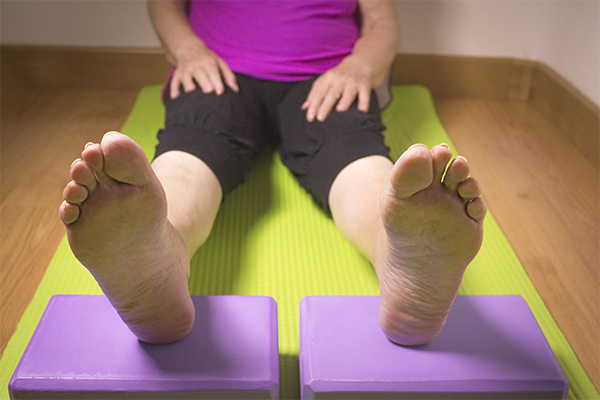
Cracked heels are a common foot condition characterized by dry, thickened skin and fissures at the heel's edge. At Coventry Foot Doctor in Coventry, we understand how uncomfortable and even painful this condition can be. This blog post will delve into the causes, prevention strategies, and simple remedial measures you can take to deal with cracked heels effectively.
What Causes Cracked Heels?
Cracked heels occur when the skin around the heel becomes dry and loses its elasticity. Several factors can contribute to this condition:
- Dry Skin: Lack of moisture in the skin can lead to cracks, primarily caused by environmental factors like cold weather or low humidity.
- Obesity: Excess body weight can place additional pressure on the heels, leading to thickening and cracking of the skin.
- Footwear Choices: Ill-fitting shoes, especially open back sandals, can exacerbate the issue by causing the heel to dry out.
- Medical Conditions: Conditions such as diabetes, eczema, and psoriasis can increase the risk of skin issues, including cracked heels.
- Occupational Hazards: Jobs that require prolonged standing on hard surfaces can contribute to the development of cracked heels.
How Can I Prevent Cracked Heels?
Prevention is key when it comes to cracked heels. Here are some effective strategies to maintain healthy heel skin:
- Moisturize Daily: Apply a thick, emollient-rich foot cream or ointment to your heels every day, especially after bathing.
- Use Humidifiers: Consider using a humidifier in your home during dry months to keep moisture in the air.
- Select Proper Footwear: Opt for shoes that provide adequate support and coverage to protect your heels.
- Exfoliate Regularly: Gently remove dead skin with a pumice stone or foot file to prevent buildup.
- Stay Hydrated: Drinking plenty of water helps maintain skin hydration from the inside out.
How Can I Treat Cracked Heels at Home?
If you're already experiencing cracked heels, you can implement several home remedies to promote healing:
- Soak Your Feet: Soak your feet in warm, soapy water for about 20 minutes to soften the skin. Dry thoroughly and apply moisturizer immediately afterward.
- Apply Oil: Natural oils like coconut oil or olive oil can provide added moisture and promote healing when applied to dry areas.
- Use a Foot Mask: Consider using a foot mask specifically designed for cracked heels; these masks often contain ingredients such as urea and lanolin that help to hydrate the skin.
- Protect with Bandages: Cover deep cracks with band-aids to shield them from infection and allow for healing.
When Should I See a Podiatrist?
If home remedies do not show improvement within a few weeks, or if you experience pain, bleeding, or signs of infection (such as swelling, redness, or pus), it's crucial to seek professional help. At Coventry Foot Doctor, we can provide tailored treatment plans, including medicated creams, orthotics, and guidance to manage underlying conditions that may contribute to cracked heels.
FAQs About Cracked Heels
1. Can cracked heels be a sign of a serious medical condition?
Yes, in some cases, cracked heels can indicate an underlying condition such as diabetes or eczema. It's essential to consult a healthcare professional for evaluation.
2. How quickly can I expect results from home treatments?
Results can vary, but with consistent care, most people notice improvement within a week or two of following home treatment protocols.
3. Are there over-the-counter treatments for cracked heels?
Yes, many creams with urea or salicylic acid can effectively soften and hydrate cracked skin. Look for products specifically aimed at heel care.
4. Can foot surgeries help with severe cracked heels?
In rare cases where structural issues in the foot contribute to cracked heels, a podiatrist may recommend surgical intervention. This is typically a last resort after conservative treatments have failed.
5. Does age affect the likelihood of developing cracked heels?
Yes, older adults often experience drier skin and reduced skin elasticity, making them more prone to cracked heels.
Conclusion
Cracked heels can be an uncomfortable and distressing condition, but with the right preventive measures and treatments, you can manage and alleviate the symptoms effectively. If you're struggling with cracked heels or have concerns about foot health, visit us at Coventry Foot Doctor in Coventry. Our team is dedicated to helping you achieve healthier, happier feet.
Your wellness is just a click away! Book an appointment today!
