Achilles Tendinopathy Treatment in Coventry: Why Your Achilles Keeps Hurting
Understanding Achilles Tendinopathy
Achilles tendinopathy is a common condition that affects many individuals, especially those who engage in running or sports that involve jumping. At Coventry Foot Doctor, located in the heart of Coventry, we aim to provide you with the best options for treating this painful condition. Understanding the causes, symptoms, and effective treatment methods for Achilles tendinopathy can help you recover more quickly and return to your favorite activities.
What Causes Achilles Tendinopathy?
Achilles tendinopathy generally results from repetitive stress to the Achilles tendon, which connects the calf muscles to the heel bone. Several factors can contribute to its development, including:
- Overuse: Repetitive activities, such as running or jumping, can lead to micro-tears in the tendon.
- Poor footwear: Shoes lacking support or cushioning can exacerbate tendon stress.
- Biomechanical issues: Flat feet, a high arch, or abnormal gait patterns can place additional strain on the tendon.
- Aging: As we age, tendons lose elasticity, making them more susceptible to injury.
What Are the Symptoms of Achilles Tendinopathy?
The primary symptoms of Achilles tendinopathy include:
- Pain: A gradual onset of pain along the back of the heel and down the tendon, especially noticeable during physical activity.
- Stiffness: Stiffness in the heel and calf, particularly after periods of inactivity.
- Swelling: Mild swelling around the tendon, which may become more prominent with activity.
How Can I Treat Achilles Tendinopathy?
Effective treatment for Achilles tendinopathy often requires a combination of approaches. Here are some common strategies we recommend at Coventry Foot Doctor:
1. Rest and Activity Modification
Giving the tendon time to heal is crucial. Reduce the intensity and frequency of activities that cause pain, and consider low-impact exercises such as swimming or cycling.
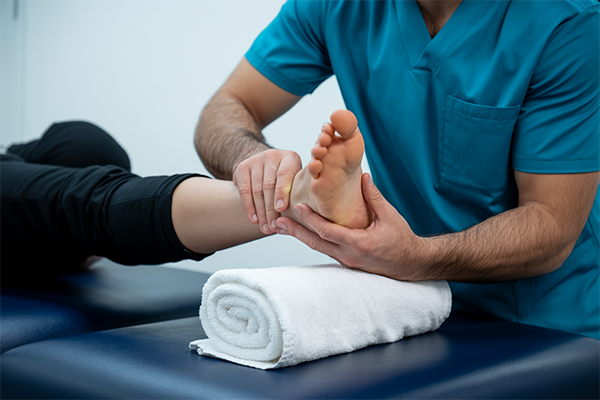
2. Physical Therapy
A physical therapist can design a personalized exercise program to strengthen the calf muscles and improve flexibility. Eccentric strengthening exercises are particularly effective for this condition.
3. Orthotics
Custom orthotics can correct biomechanical issues and provide better arch support, reducing strain on the Achilles tendon.
4. Medication and Injections
Non-steroidal anti-inflammatory drugs (NSAIDs) can help reduce pain and inflammation. In some cases, corticosteroid injections may be considered for temporary relief.
5. Surgery
In persistent cases where conservative treatments fail, surgical intervention might be necessary to remove damaged tendon tissue or repair the tendon.
When to See a Podiatrist for Achilles Tendinopathy?
It's important to consult with a qualified healthcare professional, such as a podiatrist, if your Achilles pain:
- Persists despite rest and home treatment.
- Severely limits your daily activities.
- Is accompanied by significant swelling or tenderness.
FAQs About Achilles Tendinopathy
1. Can Achilles tendinopathy be cured?
Yes, most cases of Achilles tendinopathy can be effectively managed and cured with appropriate treatment and modifications.
2. How long does it take to recover from Achilles tendinopathy?
Recovery time varies depending on the severity of the condition. With proper treatment, most people see improvement within 6 to 12 weeks.
3. Is surgery always necessary for Achilles tendinopathy?
Surgery is normally considered a last resort after conservative treatments have failed. Many patients achieve significant recovery without surgical intervention.
4. Can I continue exercising with Achilles tendinopathy?
While it's important to avoid activities that exacerbate your pain, low-impact exercises may be beneficial. Consult with a healthcare provider for guidance.
5. How can I prevent Achilles tendinopathy in the future?
Incorporating proper warm-up and cool-down routines, wearing appropriate footwear, and gradually increasing training intensity can help prevent future occurrences.
Conclusion
Understanding the causes and effective treatments for Achilles tendinopathy is essential for recovery and long-term foot health. If you're experiencing persistent pain in your Achilles tendon, don’t hesitate to contact Coventry Foot Doctor in Coventry. Our team of experienced podiatrists is ready to help you get back on your feet. Book an appointment today to discuss your symptoms and explore treatment options that best suit your needs.
